Smart Fleet Management Technology: Indian Transport 2026
Overview
As logistics operations become more complex, transport companies need more than basic tracking tools. Fleet management technology combines real-time visibility, predictive maintenance, performance analytics, and centralized control systems to help businesses reduce costs, improve decision-making, strengthen safety standards, and build more efficient transport operations across India.
Introduction
India’s transport sector is undergoing a major digital transformation. Rising fuel costs, tighter delivery commitments, and growing customer expectations are forcing fleet operators to move beyond spreadsheets and manual status updates. Managing dozens or hundreds of vehicles requires accurate, real-time information that supports faster and more informed decisions. This is where fleet management technology is creating measurable value. Modern systems combine vehicle tracking, diagnostics, analytics, and reporting tools into a single operating environment. Instead of reacting to problems after they occur, transport companies can identify inefficiencies early, improve operational visibility, and maintain tighter control over daily fleet activities.
Shifting From Reactive Maintenance to Planned Upkeep
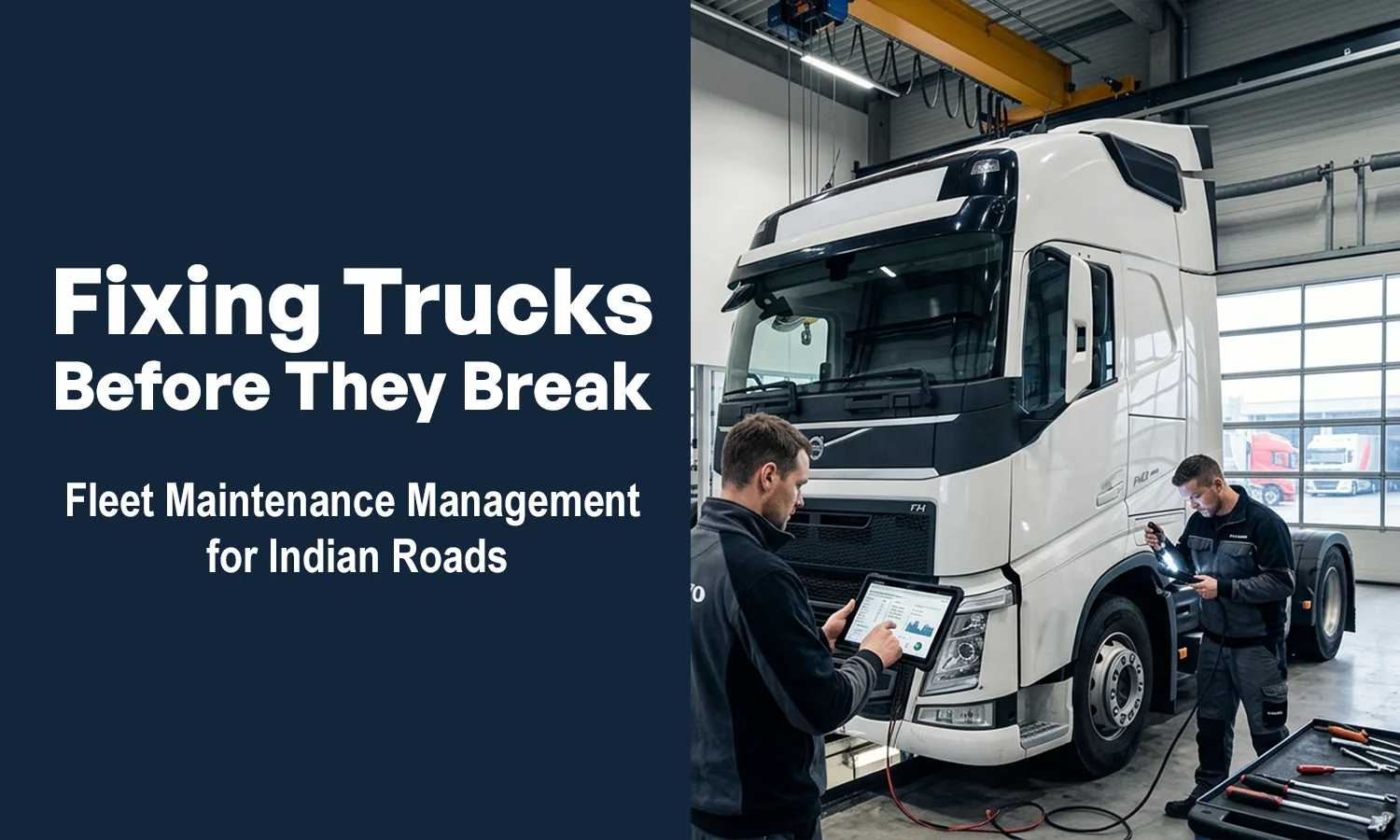
Unexpected breakdowns remain one of the biggest challenges in commercial transport. A vehicle that fails during transit not only increases repair expenses but can also disrupt delivery schedules and damage customer relationships. Modern fleet management technology helps maintenance teams move from reactive repairs to planned servicing. By monitoring engine performance, fault codes, temperature readings, and component health, operators can identify issues before they become major failures. This proactive approach reduces downtime, improves vehicle availability, and helps businesses maintain consistent service levels across long-haul routes and regional distribution networks.
Reducing Fuel Waste Through Intelligent Monitoring
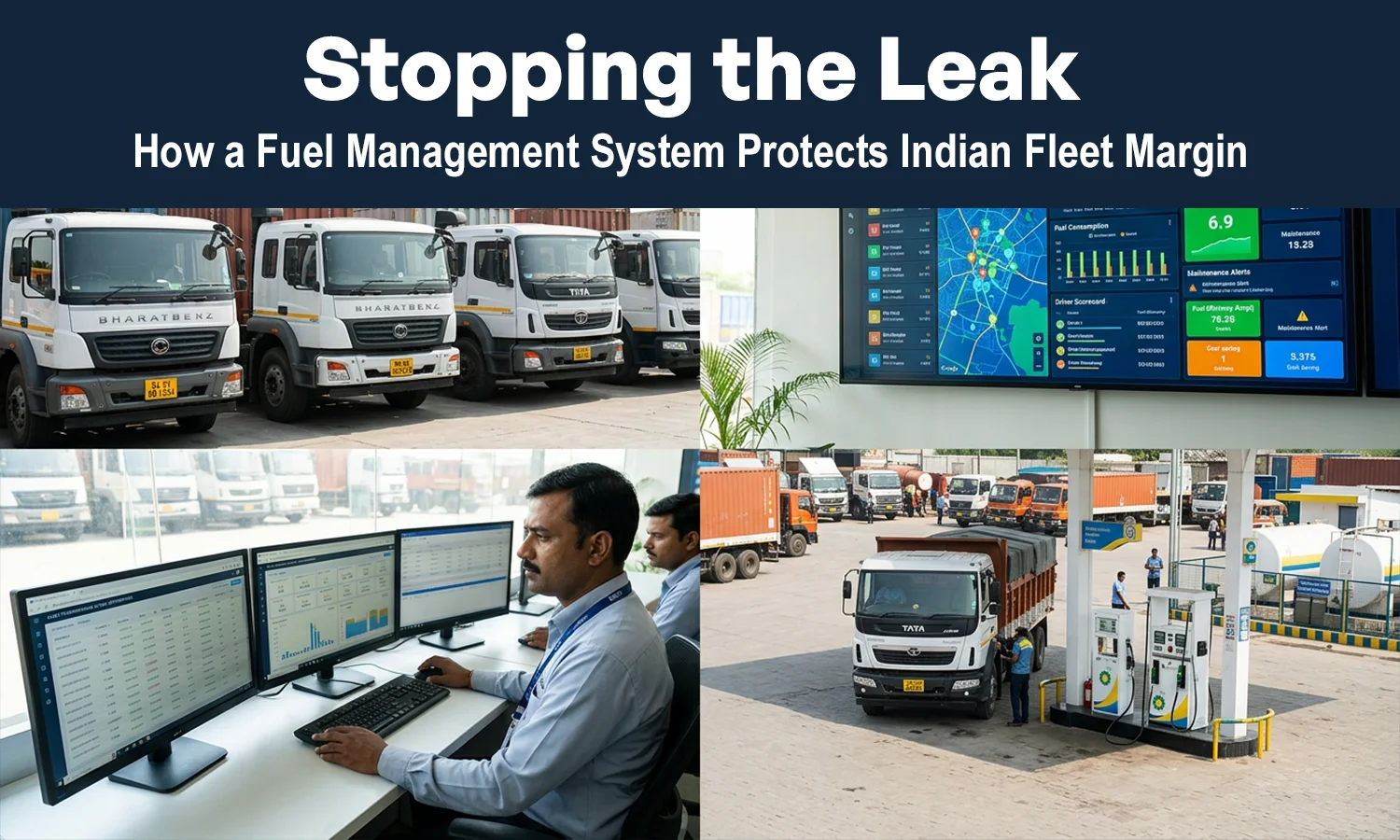
Fuel represents one of the largest operational expenses for transport companies. Even minor inefficiencies can significantly impact profitability when multiplied across an entire fleet. Advanced fleet management tracking systems provide visibility into fuel consumption patterns, idling behaviour, route deviations, and driving habits. Managers can quickly identify vehicles that consume excessive fuel and investigate the underlying causes. By combining operational data with analytics, businesses can reduce unnecessary fuel costs, improve driver accountability, and optimize fleet performance without compromising delivery timelines.
Overcoming Urban Route Restrictions and Bottlenecks
Urban logistics presents unique operational challenges. Traffic congestion, restricted delivery windows, and constantly changing road conditions can affect productivity and increase operational costs. A modern fleet management dashboard provides dispatch teams with real-time information about vehicle locations, route progress, and traffic conditions. This allows operators to make dynamic route adjustments and allocate resources more effectively. Rather than relying on delayed updates from drivers, managers gain immediate visibility into developing situations and can respond before delays impact customers.
Building a Centralized Command Centre for Fleet Operations
As fleets grow, managing information across multiple platforms becomes increasingly difficult. Separate systems for tracking, maintenance, dispatch, and reporting often create operational silos. One of the biggest advantages of fleet management technology is centralization. A unified dashboard brings together vehicle status, maintenance schedules, fuel data, route information, and driver performance metrics within a single interface. This consolidated view helps operations teams make faster decisions while reducing administrative complexity across the organization.
Improving Driver Performance Metrics and Safety Standards
Driver behaviour has a direct impact on operational costs, fuel efficiency, and road safety. Excessive speeding, harsh braking, rapid acceleration, and prolonged idling can all affect fleet performance.
Modern fleet management tracking solutions continuously monitor driver activity and generate actionable performance insights. Managers can use this information to identify coaching opportunities, develop safety programs, and reward responsible driving practices. Over time, these improvements contribute to lower accident rates, reduced vehicle wear, and stronger compliance with transport safety regulations.
Supporting Diverse and Growing Vehicle Fleets
Today’s transport businesses often manage a mix of heavy-duty trucks, light commercial vehicles, and electric delivery units. Maintaining consistency across different vehicle types can be challenging without the right systems in place. Scalable fleet management technology supports diverse fleets by standardizing reporting, maintenance records, and operational metrics across all assets. Whether a company operates five vehicles or five hundred, centralized visibility helps maintain control while supporting future expansion.
This flexibility becomes increasingly valuable as businesses expand into new regions and adopt emerging vehicle technologies.
ALSO READ: How IoT Fleet Management Is Rewiring Indian Logistics for 2026
Using Data to Drive Better Business Decisions
The true value of modern transport systems extends beyond tracking vehicles on a map. The most successful operators use operational data to improve planning, reduce costs, and strengthen customer service.
A well-designed fleet management dashboard transforms raw data into meaningful insights. Managers can evaluate route efficiency, monitor utilization rates, assess maintenance trends, and identify opportunities for improvement.
These insights help organizations build more efficient operations while creating a foundation for long-term growth and profitability.
Optimize Your Operations Today
The future of transport belongs to businesses that can turn operational data into actionable decisions. With the right fleet management technology, companies can improve visibility, reduce costs, strengthen safety, and create more efficient logistics operations.
Ready to modernize your fleet? Visit Taabi.ai and discover how intelligent fleet technology can help your business stay ahead in a competitive transport landscape.
FAQs
How do digital dashboards reduce maintenance costs?+−
Digital dashboards provide early visibility into vehicle health and maintenance requirements. Identifying potential issues before they escalate helps operators avoid expensive breakdowns and unplanned repairs.
Can fleet management software integrate with ERP systems?+−
Yes. Most modern fleet management technology platforms support integration with ERP, accounting, and operational management systems, allowing data to flow automatically between departments.
Which metrics are most useful for controlling fuel waste?+−
Fuel consumption, engine idle time, route deviations, speeding events, and driver behaviour metrics are among the most effective indicators for identifying fuel inefficiencies.
Can managers access fleet data remotely?+−
Yes. Most platforms provide secure mobile access, allowing managers and dispatch teams to monitor vehicles, receive alerts, and manage operations from virtually any location.
How does operational visibility improve customer trust?+−
Providing accurate delivery information and real-time updates improves transparency. Customers gain confidence when they can track shipment progress without relying on manual status requests.