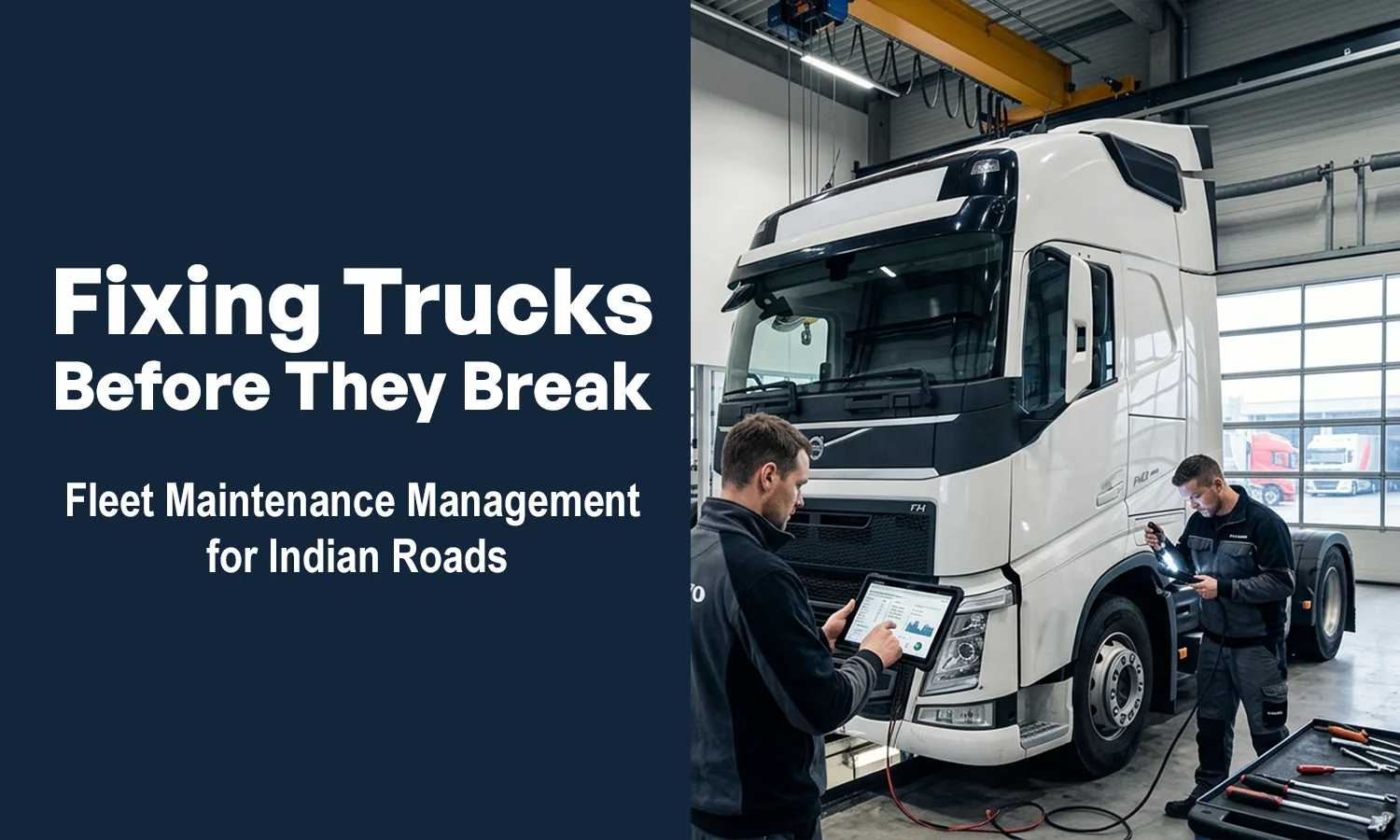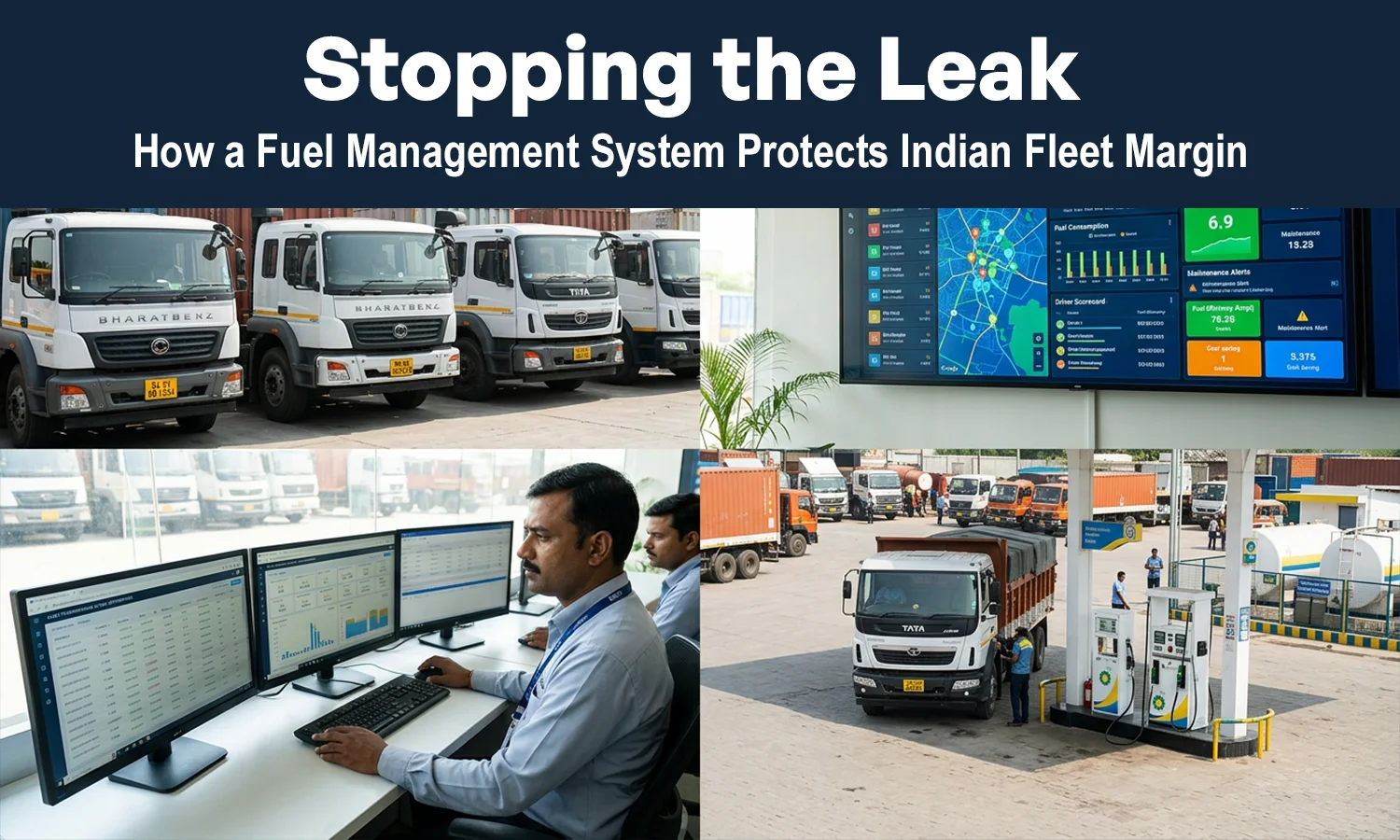
What Is Commercial Vehicle Health Monitoring for Fleets?

Fleet downtime is expensive. One breakdown can trigger late deliveries, higher repair bills, and route disruption. That is why fleet teams are now asking: What Is Commercial Vehicle Health Monitoring, and how can it reduce surprises on the road?
Commercial vehicle health monitoring helps fleets track vehicle condition in real time, so issues are spotted earlier and maintenance becomes planned and is not reactive. Taabi positions its platform around real-time monitoring and analytics for fleet operations Which includes vehicle health monitoring dashboards designed for commercial use.
What Is Commercial Vehicle Health Monitoring and Why Does It Matter?
What Is Commercial Vehicle Health Monitoring?
It is a system that monitors key vehicle health signals like engine performance, fault alerts, and battery-related indicators, and shows them in a central dashboard so fleet teams can take action quickly.
Why it matters:
- ➤ Commercial vehicles run long hours and face high wear.
- ➤ Small issues become major failures if missed.
- ➤ Early alerts reduce unplanned stoppages and protect uptime.
Many fleets already rely on vehicle tracking to see movement and routes. Health monitoring adds a second layer: it helps you understand whether the vehicle is fit to finish the trip safely and reliably.
How Does Commercial Vehicle Health Monitoring Work?
Most systems follow a simple loop:
- ➤ Vehicle data is collected through onboard diagnostics and connected sensors.
- ➤ Data is sent to the cloud using a telematics device.
- ➤ Fleet teams view alerts and trends on a dashboard, often alongside vehicle GPS tracking for context.
- ➤ Action is triggered, such as scheduling service, rerouting, or preventing further damage.
Taabi highlights real-time dashboard visibility and performance monitoring as part of its fleet solutions.
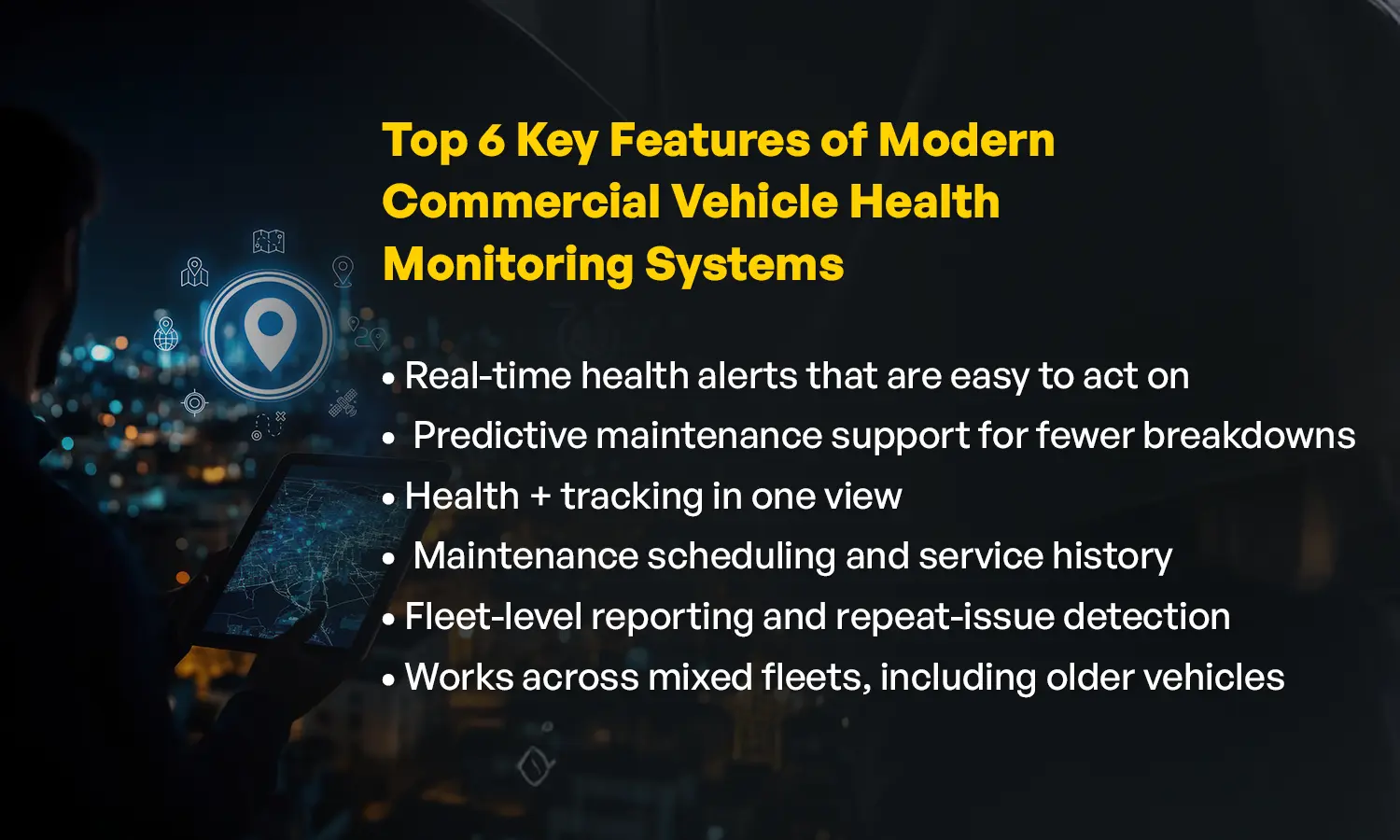
Top 6 Key Features of Modern Commercial Vehicle Health Monitoring Systems
If you asked, “ What is commercial vehicle health monitoring ?” These six features matter most.
-
Real-time health alerts that are easy to act on
The best systems do not just show data. They send clear alerts when something needs attention. Alerts should be prioritised so fleet managers know what is urgent and what can wait until the next service stop.
-
Predictive maintenance support for fewer breakdowns
For fleets, Predictive maintenance for trucks is the difference between planned service and roadside failure. A strong system spots patterns early and helps schedule fixes before the issue becomes expensive.
-
Health + tracking in one view
Health monitoring works best when linked to real-time vehicle tracking. If a vehicle throws a warning mid-trip, managers need location, route status, and nearest service options in the same workflow. This is where good commercial vehicle tracking software adds value.
-
Maintenance scheduling and service history
A practical dashboard tracks service dates, repair history, and recurring issues. This helps keep a large commercial vehicle list organised, especially when vehicles run different routes and usage cycles.
-
Fleet-level reporting and repeat-issue detection
A modern system should show trends across vehicles, not only individual alerts. If one route causes more overheating, or one vehicle type shows repeated faults, reporting should make that obvious. This helps fleets fix root causes, not just symptoms.
-
Works across mixed fleets, including older vehicles
Many fleets operate a mix of new assets, older trucks, and used commercial vehicles. The right system should still be scalable and usable across this reality, including LCV operations when needed.
How to Choose the Right Commercial Vehicle Health Monitoring System
Keep it simple:
- ➤ Choose a system that fits your fleet type and route reality.
- ➤ Prefer platforms that combine health monitoring with tracking workflows, not separate tools.
- ➤ Look for clear alerts, strong reporting, and maintenance planning support.
- ➤ Pick a provider built for commercial fleets. Taabi positions its offering around fleet visibility, monitoring, and analytics designed to improve uptime.
FAQS
Is commercial vehicle health monitoring useful for lcv?+−
Yes. A light commercial vehicle fleet benefits because frequent stop-start routes make early alerts and planned maintenance important.
Is commercial vehicle health monitoring suitable for small fleets?+−
Yes. When fleet size is small, even one breakdown can disrupt daily operations. Monitoring helps prevent that.
Can commercial vehicle health monitoring improve fuel efficiency?+−
It can support fuel efficiency by keeping vehicles in better condition and reducing avoidable performance issues that increase fuel use.