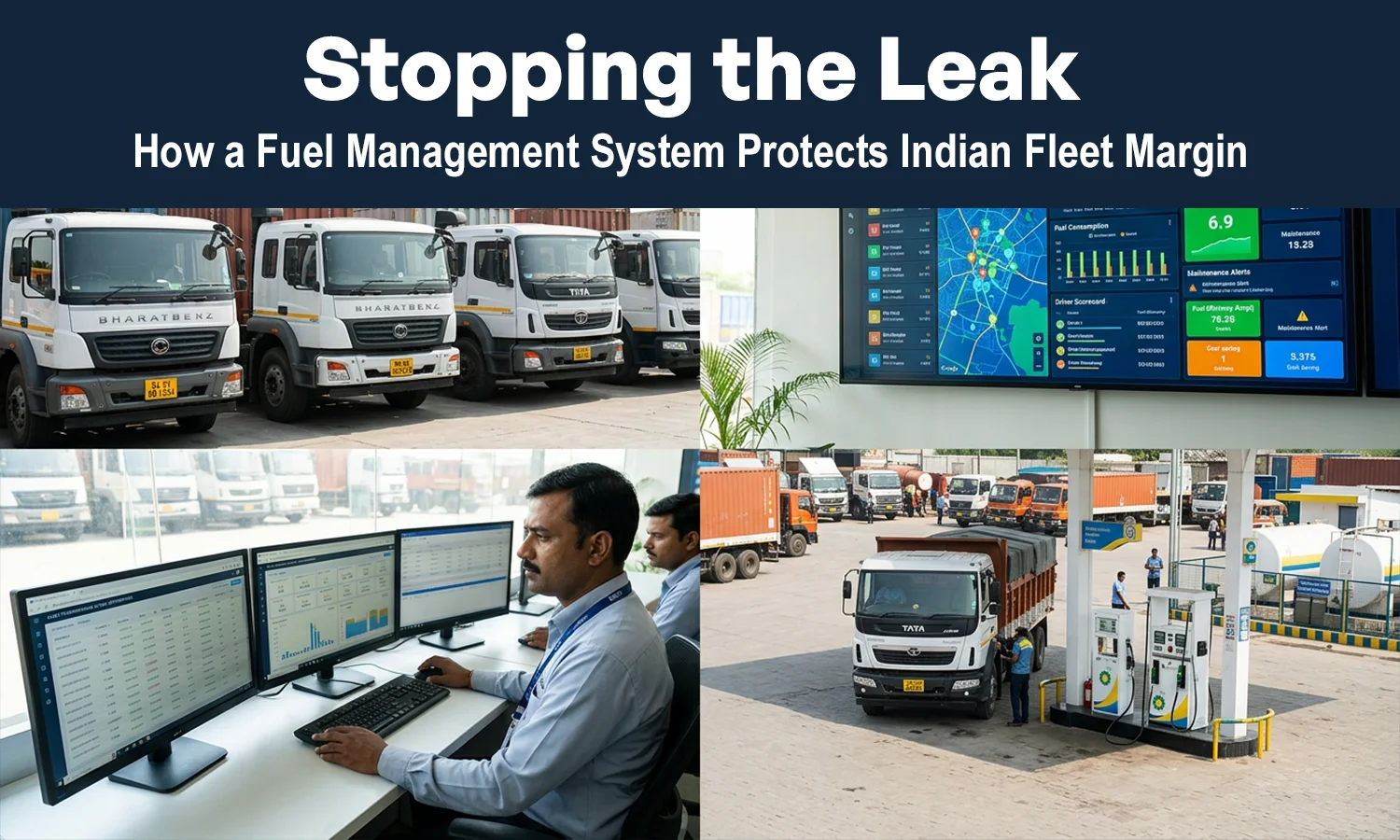
7 Benefits of OBD and Fuel Sensor That Fleets Can’t Ignore

Key Takeaways
- ➤ The Benefits of OBD and Fuel Sensor include improved fuel monitoring and vehicle diagnostics
- ➤ Combining engine and fuel data strengthens fleet operational intelligence
- ➤ Fuel monitoring helps prevent theft and inaccurate refueling records
- ➤ Predictive maintenance reduces breakdown risks and downtime
Introduction
Fleet profitability depends heavily on fuel control and vehicle uptime. Managers need accurate data to monitor both areas effectively. The Benefits of OBD and Fuel Sensor become clear when fleets move from manual logs to real-time monitoring. Most commercial vehicles already contain an obd port that allows access to engine diagnostics. When fleets connect an obd device and combine it with fuel monitoring hardware, vehicle data becomes far more actionable. Fuel monitoring is equally important. A fuel level sensor installed inside the tank measures the actual fuel volume at any moment. When this data feeds into a fuel tracking system, fleet operators gain visibility into consumption patterns, refueling activity and possible fuel loss. This combination of diagnostics and fuel monitoring explains why the Benefits of OBD and Fuel Sensor are gaining attention among transport operators across India.
Why OBD and Fuel Sensors Are Essential for Fleet Management?
Fuel and maintenance represent two of the largest operating expenses for logistics companies. Without proper data, managers rely on driver reports or manual logs that rarely capture the full picture. An obd2 tracking device reads diagnostic information directly from the vehicle and sends it to a central platform. This data includes engine load, error codes and vehicle performance indicators. Fuel monitoring complements this by providing direct measurements from the tank. When both systems operate together, fleet managers can compare fuel consumption with engine performance and trip patterns. The Benefits of OBD and Fuel Sensor begin with improved visibility. Fleet operators gain a clearer understanding of vehicle health, fuel usage and driver behavior across daily operations.
How do OBD and fuel sensors improve fuel efficiency?
Fuel efficiency improves when fleets identify the causes of waste. Diagnostics data and fuel monitoring highlight those inefficiencies early.
OBD data processed through obd software can reveal problems such as incorrect air-fuel ratios, faulty oxygen sensors or abnormal engine loads. Addressing these issues quickly prevents unnecessary fuel burn. Fuel monitoring also detects operational habits that increase fuel usage. Excessive idling, aggressive acceleration and poor route discipline often lead to higher fuel consumption.
When managers analyze these patterns, the Benefits of OBD and Fuel Sensor translate into measurable improvements in fuel efficiency and operating costs.
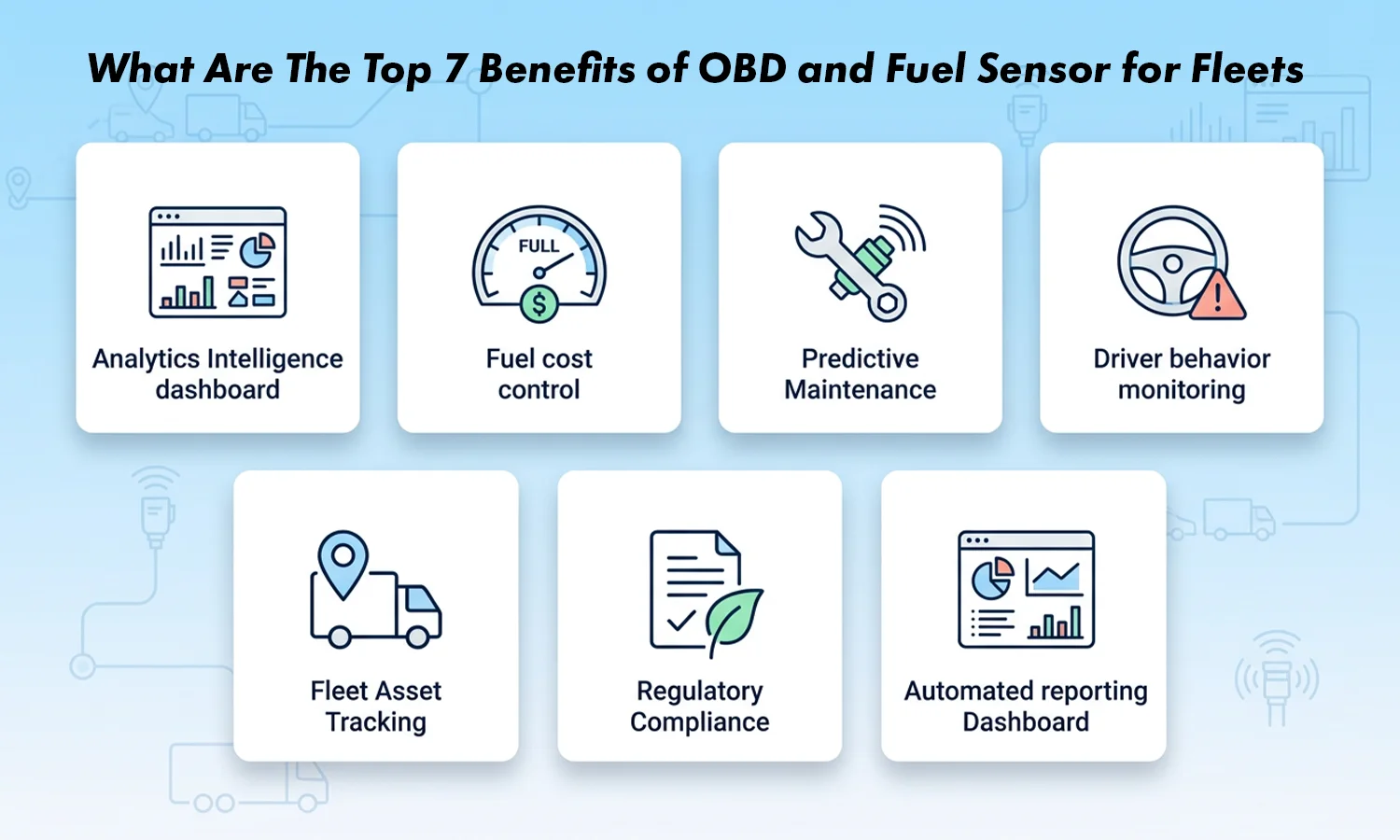
What Are The Top 7 Benefits of OBD and Fuel Sensor for Fleets
The strongest impact of these systems appears when fleets combine diagnostics and fuel monitoring into one platform. The Benefits of OBD and Fuel Sensor extend across operations, safety and financial performance.
- ➤ Enhanced Operational Intelligence
Combining engine diagnostics with fuel monitoring provides a unified operational view of vehicle health and fuel activity. - ➤ Precise Fuel Cost Control
Fuel sensors detect sudden drops in tank levels and verify refueling amounts. This helps prevent fuel theft and inaccurate billing. - ➤ Proactive Maintenance
Diagnostic trouble codes appear immediately through the OBD system, allowing fleets to address issues before they become expensive repairs. - ➤ Improved Driver Behavior Monitoring
Systems track speeding, harsh braking and idling. Reducing excessive idle time alone can lower fuel consumption significantly. - ➤ Better Asset Utilization
Managers identify vehicles that remain idle or underused and allocate resources more effectively. - ➤ Regulatory Compliance and Emissions Control
Monitoring engine health and fuel efficiency helps fleets stay aligned with environmental standards. - ➤ Automated Operational Reporting
Diagnostics and fuel data generate automated records for compliance reporting and operational analysis.
These improvements illustrate why the Benefits of OBD and Fuel Sensor go beyond tracking. They help fleets operate with clearer insights and stronger cost control.
How Taabi’s AI-Powered TMS Enhances Fleet Efficiency Using OBD and Fuel Sensors?
Taabi’s platform connects vehicle diagnostics and fuel monitoring into a single operational dashboard. By analyzing data from an OBD GPS Tracker and fuel sensors, the system converts vehicle signals into actionable insights. Managers receive alerts when unusual fuel drops occur, when diagnostic errors appear or when driving patterns indicate inefficiencies.
These insights support Best Transportation Management practices by helping operators reduce fuel loss, prevent unexpected breakdowns and improve route planning. The result is higher fleet efficiency with fewer operational disruptions.
Conclusion
Fleet monitoring technology continues to evolve as operators seek better control over costs and vehicle performance. The Benefits of OBD and Fuel Sensor come from combining engine diagnostics with accurate fuel monitoring.
This integrated approach improves fuel efficiency, reduces maintenance risks and supports better fleet decision making. Platforms like Taabi help fleets turn vehicle data into operational insight that strengthens day-to-day performance.
FAQs
Are OBD and fuel sensors suitable for all types of fleets?+−
Yes. Logistics fleets, construction equipment operators and service vehicles can all benefit from diagnostics and fuel monitoring systems.
Where are fuel sensors located in a fleet?+−
Fuel sensors are typically installed inside the vehicle’s fuel tank or mounted at the top of the tank to measure fuel volume accurately.
Can an OBD2 scanner improve fuel efficiency?+−
Yes. Diagnostics data helps identify engine issues and inefficient driving patterns that increase fuel consumption.