AI-Powered TMS for Indian Road Transport: 7 Key Features
Key Takeaways
-
Fuel and delays are the biggest cost drivers in Indian transport
-
AI-powered TMS connects vehicles, routes, drivers, and data
-
IoT-based fuel tracking reduces theft and wastage
-
AI routing adapts to traffic, tolls, and weather
-
Localised systems deliver faster ROI for Indian fleets
Introduction
AI-Powered TMS for Indian Road Transport is no longer a “nice to have” system. In 2026, it has become a basic survival tool. Indian road transport runs through congestion, toll delays, fuel theft, driver fatigue, and tight margins. Fuel alone takes up 30 to 40 percent of operating costs, while logistics costs still sit close to 13–14 percent of GDP.
Most fleets still use disconnected tools. GPS for tracking. Excel for billing. Phone calls for delays. This approach breaks down fast at scale. This is where an AI-Powered TMS for Indian Road Transport changes the game by connecting data, vehicles, drivers, and decisions into one system.
Why Indian Road Transport Needs an AI-Powered TMS
AI-Powered TMS for Indian Road Transport is needed because Indian roads are unpredictable. Traffic conditions change by the hour. Monsoons flood routes without warning. Toll rules and city entry timings differ across states. Manual planning cannot keep up. A modern transportation management system uses AI to react in real time. It reduces idle time, reroutes vehicles early, and flags risks before delays turn into losses. With national programs like PM Gati Shakti and Smart Cities pushing digitisation, fleets without AI-based systems are already falling behind.
When these systems bring together vehicle location, fuel data, driver behaviour, and trip information in one place, transport companies gain a clearer operational view of their fleets. Managers can see how routes, delays, and vehicle performance affect daily operations and costs. Platforms like Taabi apply this approach to help transport teams monitor operations continuously and respond faster when conditions change on the road.
7 Key Features of an AI-Powered TMS for Indian Transport
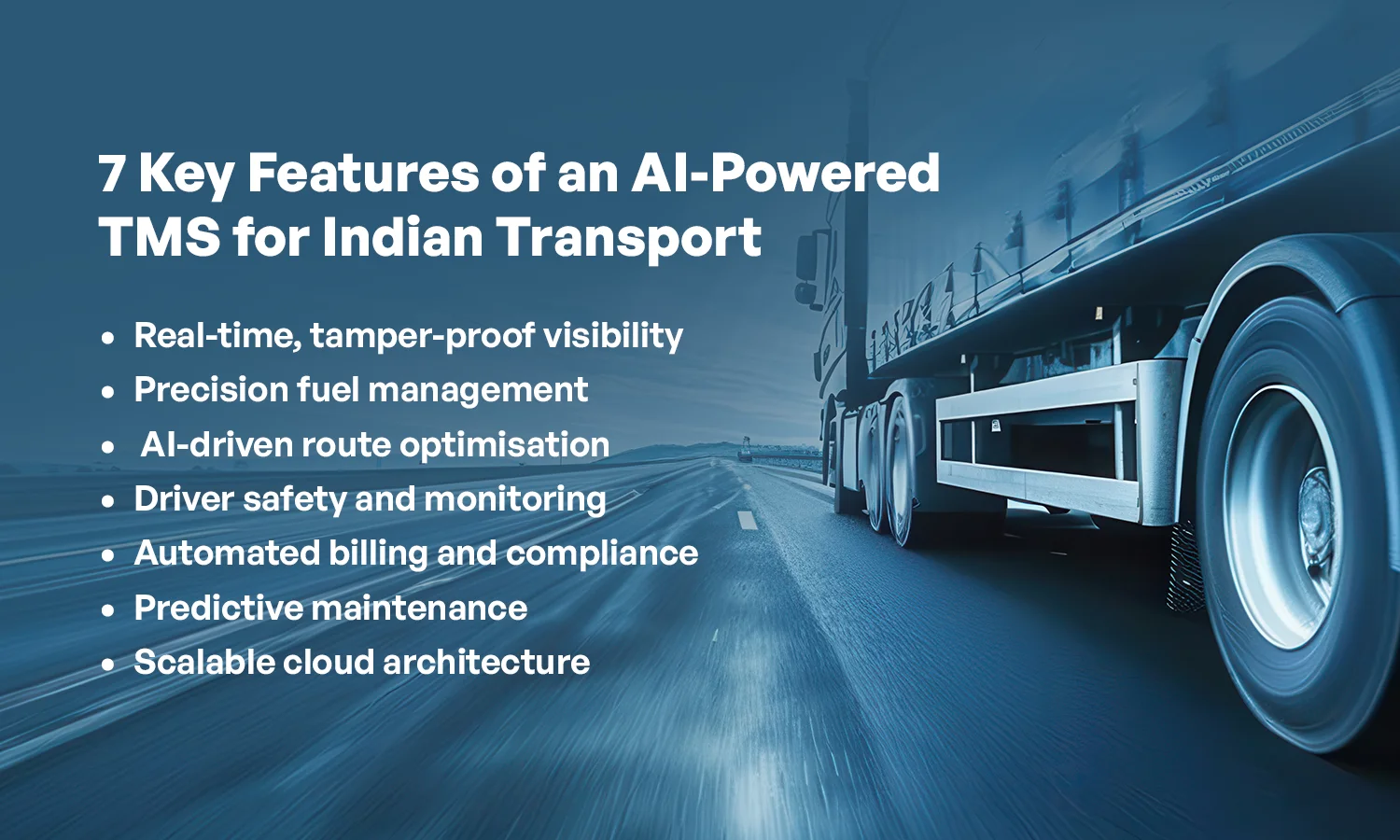
AI-Powered TMS for Indian Road Transport must offer more than basic tracking. These seven features matter most.
-
1. Real-time, tamper-proof visibility
A strong TMS System combines GPS, FASTag toll data, and SIM signals. This removes blind spots caused by poor networks and stops fake trip records.
-
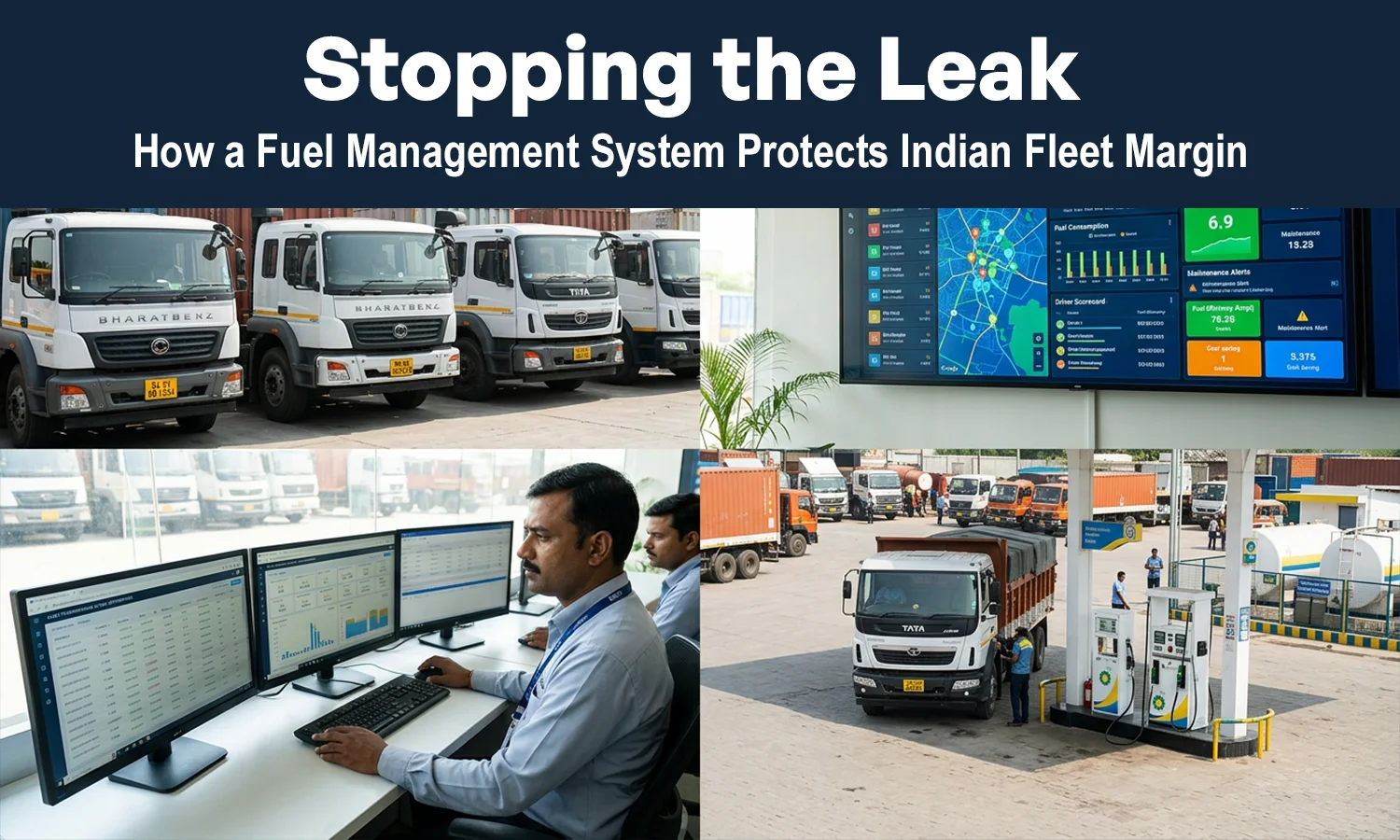
2. Precision fuel management
Fuel theft remains a major issue. A good TMS Software integrates IoT fuel probes instead of relying only on engine data. This enables 24/7 theft alerts, even when vehicles are parked.
-
3. AI-driven route optimisation
An advanced TMS Logistics platform adjusts routes based on traffic, accidents, and weather. This can cut fuel waste by 12–18 percent on long routes.
-
4. Driver safety and monitoring
AI dashcams track fatigue, phone usage, and unsafe driving. This is critical in India, where human error causes nearly 90 percent of road accidents.
-
5. Automated billing and compliance
Paperwork delays cash flow. A strong TMS system in trucking auto-generates E-way bills, GST invoices, and digital proof of delivery.
-
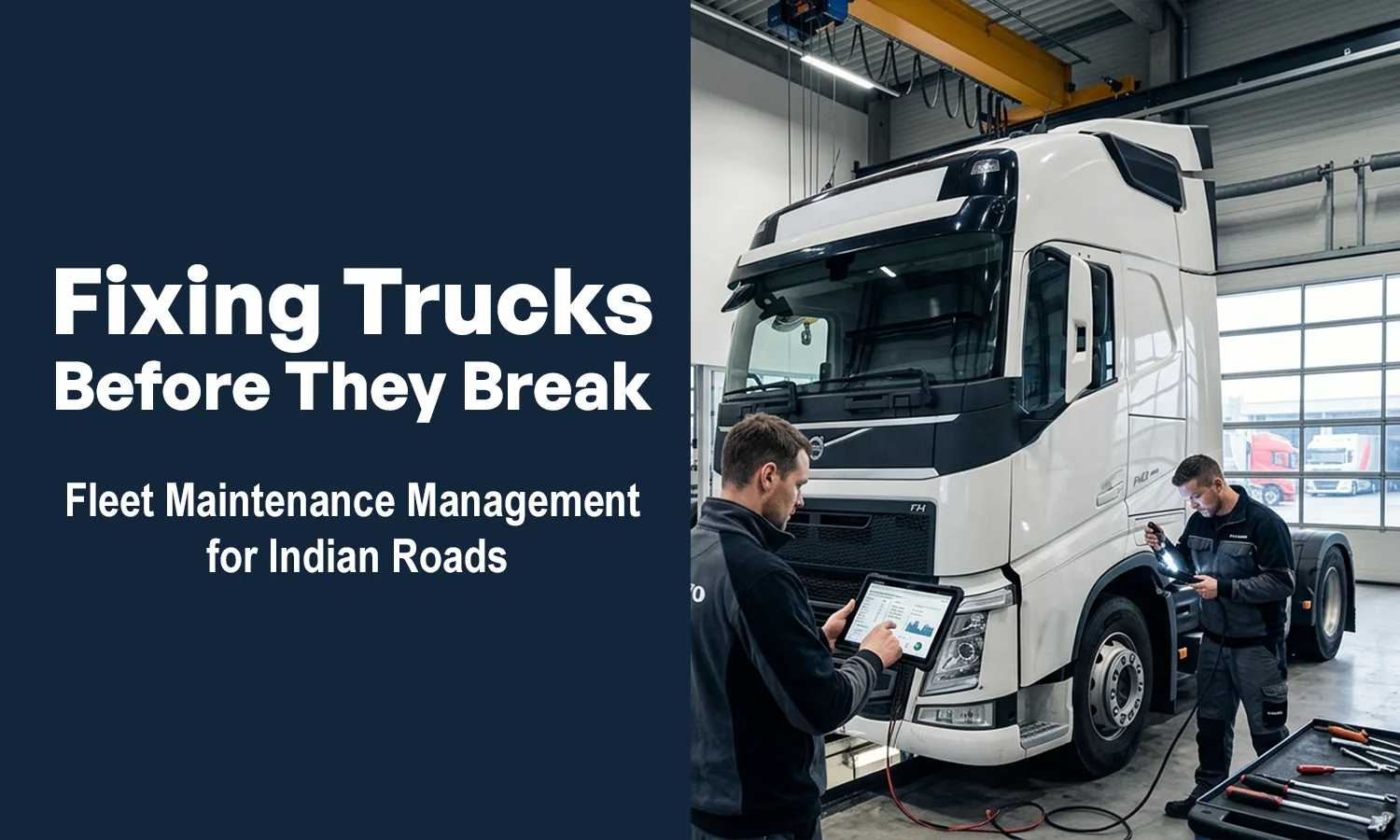
6. Predictive maintenance
By analysing engine data, AI predicts part failures before breakdowns happen. This avoids costly roadside stoppages.
-
7. Scalable cloud architecture
The best tms for freight must scale from 10 vehicles to 10,000 without new hardware. Cloud-based systems allow this flexibility.
Choosing the Right AI-Powered TMS for Indian Road Transport: Why Taabi Stands Out
AI-Powered TMS for Indian Road Transport must be built for Indian realities, not imported assumptions. This is where Taabi stands out.
Taabi focuses heavily on fuel control, which is the biggest cost for Indian fleets. Its high-accuracy fuel probes deliver 98–99 percent precision, far better than standard vehicle sensors. Theft detection works even when engines are off, closing one of the biggest loss gaps in Indian trucking. Taabi also uses AI models trained on Indian road conditions. Routes adjust for monsoon flooding, city entry rules, and traffic density. Predictive maintenance alerts help fleets avoid breakdowns in remote areas. For businesses comparing a TMS System based on real ROI, this local-first design makes a clear difference.
Conclusion
AI-Powered TMS for Indian Road Transport is no longer about tracking trucks on a map. It is about controlling fuel, improving safety, reducing delays, and protecting margins. Indian fleets face too many risks to depend on manual planning or basic GPS tools. By choosing a system that combines AI, real-time data, and local intelligence, transport businesses gain visibility and control across every trip. Platforms like Taabi show how a well-designed transportation management system can deliver measurable savings within months, not years.
FAQS
Does AI Improve Driver Performance And Safety?+−
Yes. AI-Powered TMS for Indian Road Transport improves safety by monitoring fatigue, distraction, and risky driving. Drivers receive instant in-cabin alerts, while managers use driver scores for targeted coaching.
Can AI-Powered TMS Integrate With Other Systems?+−
Yes. A modern TMS Software integrates with ERP, WMS, fuel sensors, and telematics tools using APIs. This creates one shared data layer instead of scattered systems.
Which Is The First Ai-Powered Smart Traffic System In India?+−
India’s first large-scale AI-based traffic system was deployed on the Dwarka Expressway under NHAI. It uses cameras and analytics to detect violations and manage traffic flow automatically.