









Overview
Modern fleet operations require more than a vehicle’s location on a map. GPS Tracking in Modern Fleet Management combines real-time visibility, geofencing, route optimization, driver monitoring, and operational analytics to improve fleet performance. This article explains how transport companies use advanced tracking technologies to reduce costs, improve utilization, and strengthen logistics efficiency.
Introduction
For years, GPS tracking was viewed as a simple tool that showed where a vehicle was located. Today, logistics operations require far more than coordinates and route history. Fleet operators need visibility into driver behaviour, route compliance, fuel efficiency, delivery performance, and asset utilization.
Modern GPS Tracking in Modern Fleet Management has evolved into a powerful operational tool that helps businesses make smarter decisions across every stage of transportation. When combined with intelligent software, tracking data becomes a source of actionable insights that improve efficiency, reduce operational costs, and strengthen customer service.
Deploying Geofences for Busy Warehouse Terminals
Managing vehicle movement around warehouses, factories, and distribution centres can be challenging without automated visibility.
Geofencing allows operators to create virtual boundaries around important locations. When a vehicle enters or exits a designated zone, the system automatically generates alerts and records the event. This capability makes GPS Tracking in Modern Fleet Management far more valuable than traditional location monitoring.
Warehouse teams can prepare loading bays before vehicles arrive, reduce waiting times, and improve overall turnaround efficiency. For high-volume logistics operations, these small time savings can create significant productivity gains.
Creating End-to-End Shipment Visibility
Customers increasingly expect accurate delivery updates and complete shipment transparency. Traditional tracking methods often leave gaps between dispatch and final delivery.
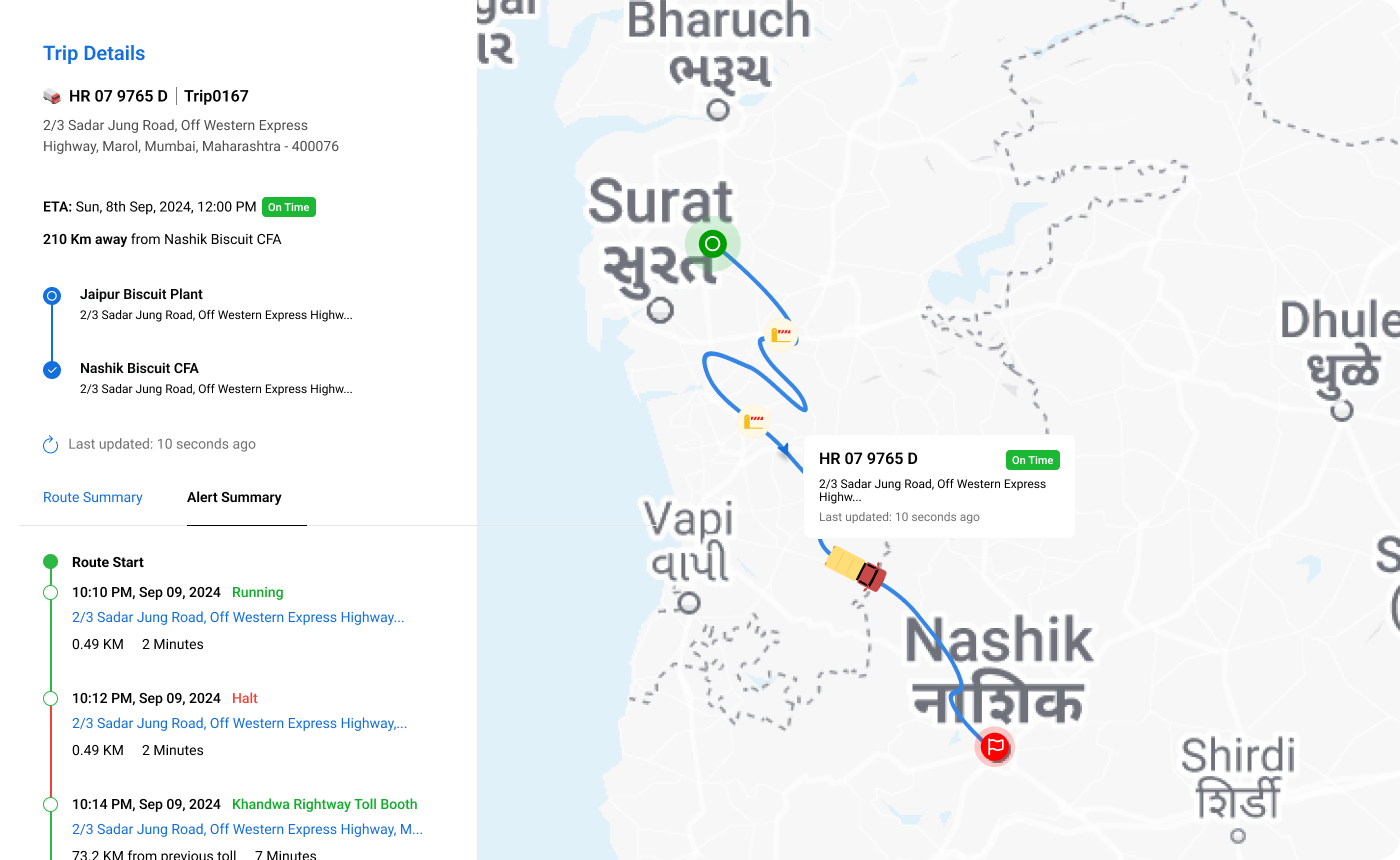
Modern GPS tracking fleet management systems combine location data with trip milestones, electronic proof of delivery, toll records, and route information to create a complete operational picture.
This level of visibility helps logistics companies track cargo movement more accurately while providing customers with reliable shipment updates throughout the journey.
Turning Vehicle Data into Operational Intelligence
Location information alone provides limited value. The real advantage comes when tracking data is combined with operational metrics.
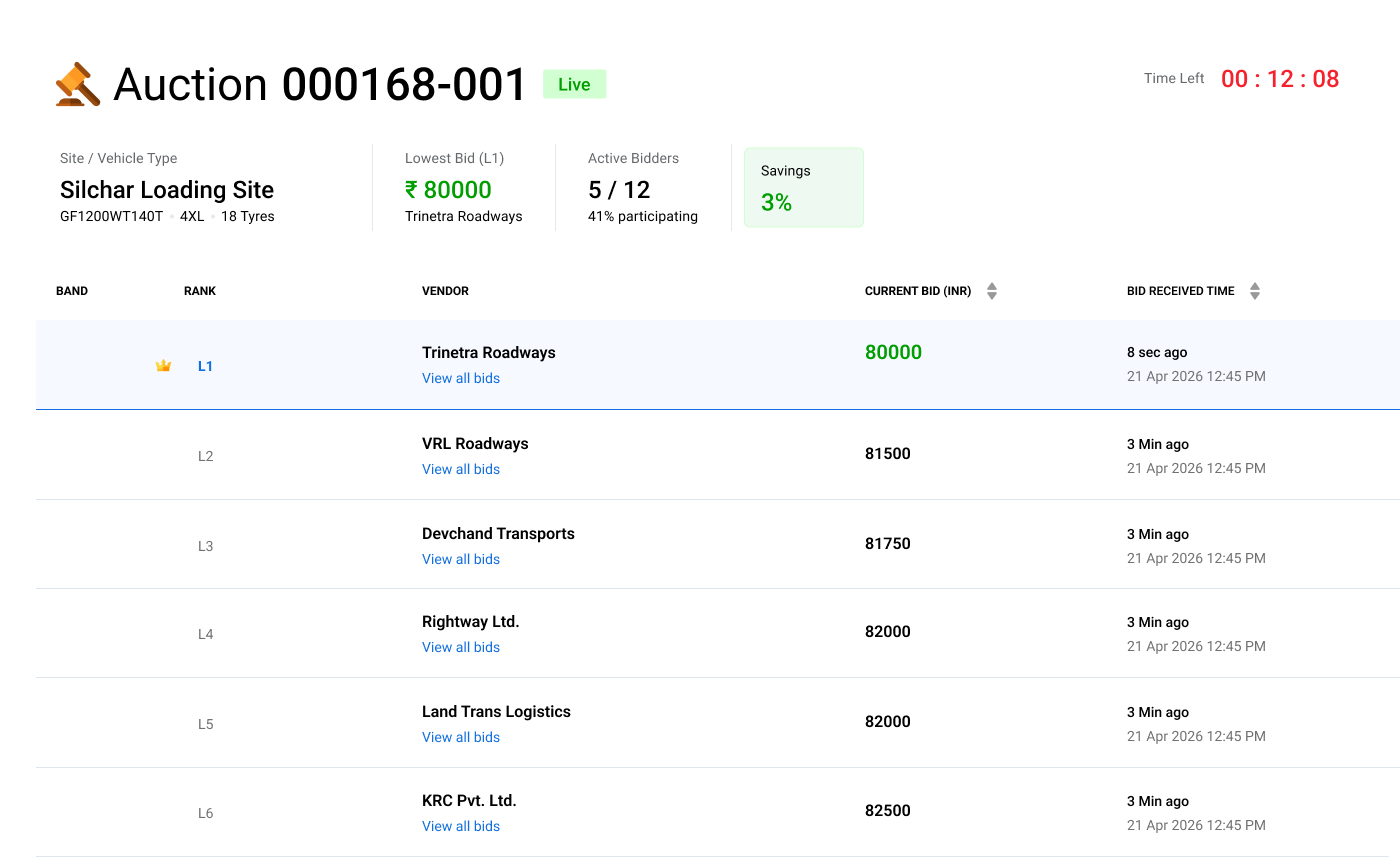
Advanced vehicle fleet management platforms allow operators to monitor engine runtime, idle hours, route deviations, driver activity, and asset utilization from a centralized dashboard. These insights help managers identify inefficiencies and make data-driven decisions that improve fleet performance.
Instead of reacting to problems after they occur, businesses gain the ability to proactively optimize operations.
Extending Asset Lifespans Through Smarter Utilization
Maximizing vehicle productivity is a major objective for every transport operator. Underutilized vehicles increase costs, while overworked assets often experience higher maintenance requirements.
Through GPS Tracking in Modern Fleet Management, operators can monitor how frequently vehicles are used, identify idle assets, and improve allocation strategies across the fleet.
Having real-time visibility into vehicle availability also supports better scheduling decisions and ensures assets are deployed where they generate the greatest value.
Improving Fuel Efficiency Through Route Discipline
Fuel costs remain one of the largest operating expenses in logistics. Even small route deviations can increase fuel consumption and reduce profitability.
Modern fleet tracking solutions help operators maintain route compliance by monitoring vehicle movement against planned journeys. Alerts can be generated whenever vehicles leave approved corridors, allowing dispatch teams to investigate immediately.
By reducing unauthorized detours and improving route discipline, transport companies can improve fuel efficiency while maintaining tighter operational control.
Eradicating Empty Running Through Smart Backhaul Planning
Empty return trips are a common challenge in freight transportation. Every kilometre travelled without cargo represents lost earning potential.
One of the most practical applications of GPS Tracking in Modern Fleet Management is identifying available vehicles and matching them with nearby return loads. Real-time fleet visibility allows dispatch teams to coordinate backhaul opportunities more effectively.
Reducing empty running improves vehicle utilization, increases revenue potential, and helps maximize return on transportation assets.
Supporting Urban Distribution and Multi-Stop Deliveries
Urban logistics has become increasingly complex due to traffic congestion, delivery restrictions, and growing e-commerce demand.
Modern fleet tracking solutions provide dispatchers with real-time visibility into vehicle progress across multiple delivery points. Route adjustments can be made dynamically to avoid congestion and improve delivery accuracy.
This flexibility helps businesses maintain service quality while navigating challenging urban operating environments.
Optimize Your Operations Today
Modern logistics requires more than knowing where vehicles are. With GPS Tracking in Modern Fleet Management, businesses gain visibility into performance, efficiency, utilization, and customer service.
Looking to improve fleet visibility and operational control? Visit Taabi.ai and discover how advanced tracking solutions can help transform your transport operations.
FAQs
Why is location tracking alone no longer sufficient?
Location data shows where a vehicle is, but it does not explain how the vehicle is performing. Modern fleets require visibility into fuel usage, driver behaviour, route efficiency, and asset utilization to make informed operational decisions.
How do geofences improve warehouse operations?
Geofences automatically notify teams when vehicles approach or leave designated facilities. This helps warehouses prepare loading operations in advance and reduce vehicle waiting times.
Can GPS tracking support long-distance multi-state transportation?
Yes. Modern GPS tracking fleet management systems provide continuous visibility across interstate routes, allowing operators to monitor vehicle movement throughout long-haul journeys.
What driver safety metrics can be monitored?
Fleet operators can track speeding incidents, harsh braking, rapid acceleration, prolonged idling, and route deviations. These insights support safer driving practices and stronger compliance programs.
How does GPS technology reduce administrative work?
Automated trip logs, mileage records, route histories, and digital reports reduce manual paperwork while improving reporting accuracy and audit readiness.