


Overview
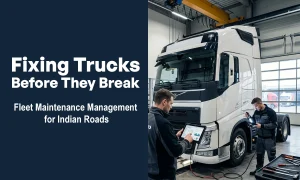
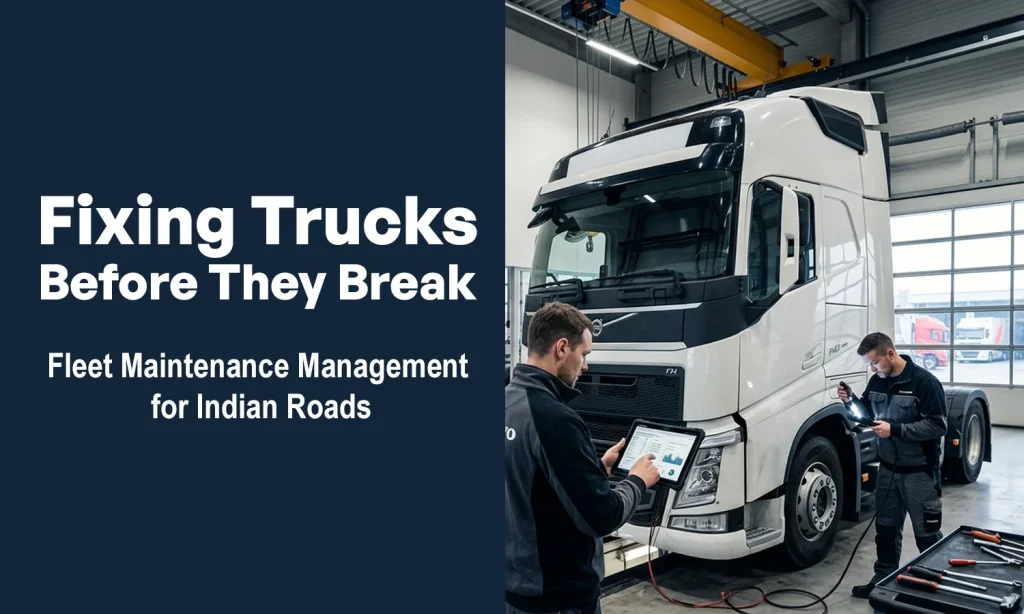
Vehicle breakdowns can disrupt deliveries, increase repair costs, and reduce fleet profitability. Fleet Maintenance Management for Indian Roads helps transport operators move from reactive repairs to proactive maintenance using diagnostics, predictive alerts, and operational intelligence. This guide explains how maintenance technology improves uptime, safety, asset lifespan, and overall fleet performance.
Introduction
Every kilometre travelled on Indian roads places stress on commercial vehicles. Long-haul operations, changing weather conditions, uneven road surfaces, and heavy loads accelerate wear across critical components. When maintenance is delayed, small issues often become expensive breakdowns that disrupt deliveries and increase operational costs.
This is where Fleet Maintenance Management for Indian Roads plays a crucial role. Modern maintenance systems help transport operators identify problems before failures occur, allowing businesses to protect uptime, improve reliability, and build stronger logistics operations through operational intelligence rather than reactive repairs.
Remote Diagnostic Alerts and Engine Fault Monitoring
Traditional maintenance often relies on fixed service schedules or visible vehicle issues. Unfortunately, many mechanical failures develop long before they become noticeable.
Modern predictive maintenance systems continuously monitor engine performance, fault codes, fluid levels, temperatures, and operational parameters. Remote diagnostics allow maintenance teams to detect emerging problems early and schedule repairs before they affect operations.
Instead of responding to roadside emergencies, fleet operators can make maintenance decisions using real-time operational intelligence that reduces downtime and protects service commitments.
Improving Uptime Across Logistics Networks
For transport businesses, vehicle availability directly affects profitability. A single truck breakdown can create delays throughout the supply chain, impacting delivery schedules, customer satisfaction, and operational efficiency.
A strong fleet vehicle management strategy ensures that vehicles remain road-ready through continuous monitoring and proactive servicing. Maintenance teams gain visibility into vehicle health while operations teams can make more informed dispatch decisions.
This coordinated approach helps businesses maintain consistent service levels while reducing the risks associated with unexpected mechanical failures.
Extending Tire Lifespans Through Preventive Maintenance
Tires represent one of the largest recurring maintenance expenses for commercial fleets. Poor alignment, improper inflation, and delayed inspections can significantly reduce tire life.
Modern Fleet Maintenance Management for Indian Roads platforms help operators monitor tire health, track maintenance history, and schedule inspections based on actual vehicle usage.
Using operational intelligence to monitor tire performance not only extends asset lifespan but also improves fuel efficiency and overall vehicle safety.
Integrating Maintenance Intelligence Into Fleet Operations
Maintenance should not operate independently from fleet operations. The most effective transport companies connect maintenance data directly with dispatch planning and operational decision-making.
A modern fleet management technology environment allows dispatchers to view active maintenance alerts, service requirements, and vehicle health status before assigning vehicles to routes.
When maintenance intelligence becomes part of daily operations, businesses reduce risk and ensure vehicles are assigned appropriately based on their current condition.
Managing Service Histories and Parts Lifecycles
Maintaining accurate service records is essential for controlling costs and maximizing vehicle lifespan.
Digital maintenance systems track repair histories, warranty information, spare parts replacements, and service schedules within a centralized platform. This creates a detailed maintenance profile for every vehicle in the fleet.
By using operational intelligence to analyse maintenance trends, transport operators can identify recurring issues, optimize spare parts inventory, and improve long-term asset planning.
Automating Workshop Workflows Based on Usage Data
Traditional maintenance schedules often rely on fixed dates that may not reflect actual vehicle usage.
Modern predictive maintenance platforms use odometer readings, engine hours, route conditions, and operational data to trigger service reminders. Vehicles that operate more intensively receive attention when needed, while lightly used vehicles avoid unnecessary servicing.
This data-driven approach improves workshop efficiency while ensuring maintenance resources are allocated effectively.
Linking Maintenance Performance With Fuel Efficiency
Maintenance and fuel efficiency are closely connected. Vehicles operating with clogged filters, worn components, poor alignment, or unresolved engine issues often consume significantly more fuel.
A comprehensive fleet vehicle management strategy combines maintenance data with fuel performance metrics to identify inefficiencies early. Maintenance teams can investigate declining fuel economy as a potential indicator of mechanical issues.
This connection creates another layer of operational intelligence that helps operators improve both reliability and cost control.
Strengthening Road Safety Through Preventive Maintenance
Road safety depends heavily on vehicle condition. Brake systems, steering components, tires, suspension systems, and lighting equipment must all perform reliably under demanding conditions.
Through Fleet Maintenance Management for Indian Roads, operators can monitor component health, schedule inspections, and maintain accurate compliance records. Digital maintenance tracking ensures critical safety checks are not overlooked.
A proactive maintenance culture reduces operational risk while protecting drivers, cargo, and company reputation.
Optimize Your Operations Today
Maintenance is no longer just a workshop function. It is a critical source of operational intelligence that helps transport businesses improve reliability, reduce costs, and maximize asset performance.
Ready to reduce breakdowns and improve fleet uptime? Visit Taabi.ai and discover how intelligent maintenance solutions can help keep your vehicles moving and your operations running efficiently.
FAQs
How do remote diagnostics prevent major breakdowns?
Remote diagnostics identify developing mechanical issues before they become serious failures. Maintenance teams can address problems early, reducing the likelihood of roadside breakdowns.
Does tire pressure management improve fuel efficiency?
Yes. Proper tire inflation reduces rolling resistance, improves fuel economy, and extends tire lifespan, making it an important part of fleet vehicle management.
Can maintenance platforms track parts warranties?
Yes. Modern systems maintain detailed records of parts installations and warranty periods, helping operators manage replacement schedules and warranty claims more efficiently.
What triggers automated maintenance reminders?
Most predictive maintenance systems use vehicle usage metrics such as odometer readings, engine hours, and operating conditions rather than relying solely on calendar dates.
Is maintenance software useful for smaller fleets?
Absolutely. Even small fleets benefit from improved maintenance scheduling, reduced breakdown risks, and better visibility into vehicle health and operating costs.