


Introduction
Why Fleet Efficiency and Route Optimization Matter for Logistics
-
Fleet Efficiency means getting more work done with fewer resources—less fuel, fewer engine hours, and higher vehicle utilization.
-
Route Optimization is the science of finding the "perfect path." It isn't just about the shortest distance; it’s about avoiding traffic, minimizing idling, and ensuring drivers stay within safe working hours.
How Does TMS Improve Fleet Efficiency?
The Impact of TMS on your bottom line is immediate. Transportation management system software streamlines your entire operation by acting as a single “source of truth.”
-
Eliminating Empty Miles:
By matching backhauls and consolidating loads, the system ensures your trucks are rarely running empty.
-
Automated Dispatching:
Transportation fleet management software removes manual errors by assigning the right vehicle to the right job based on its proximity and current health.
-
Real-Time Monitoring:
Instead of waiting for end-of-day reports, managers use TMS software to see shipment status, delivery progress, and route deviations in real time. This allows for instant corrections if a vehicle deviates from its optimized path.
The Role of AI and Machine Learning in the Future of TMS
The future of transportation and logistics management is being written in code. AI and Machine Learning are transforming the TMS from a record-keeping tool into a system that supports operational intelligence across fleets.
-
Dynamic Rerouting:
Machine learning algorithms analyze years of traffic data alongside live weather feeds to suggest new routes before your driver hits a bottleneck.
-
Automated Load Allocation:
AI can assign shipments to the most suitable vehicle based on route, delivery windows, and capacity availability.
-
Electronic Proof of Delivery (E-POD):
Drivers can capture signatures, delivery photos, and timestamps directly in the system. This removes paperwork delays and speeds up billing cycles.
The Future of Fleet Efficiency with Taabi’s AI-powered TMS
At Taabi AI, we don’t just provide a dashboard; we provide Machine Intelligence. Our transportation fleet management software is built to help you scale without adding more vehicles.
-
Zero-Waste Routing
-
Faster Load Allocation
-
Digital Delivery Confirmation (E-POD)
Conclusion
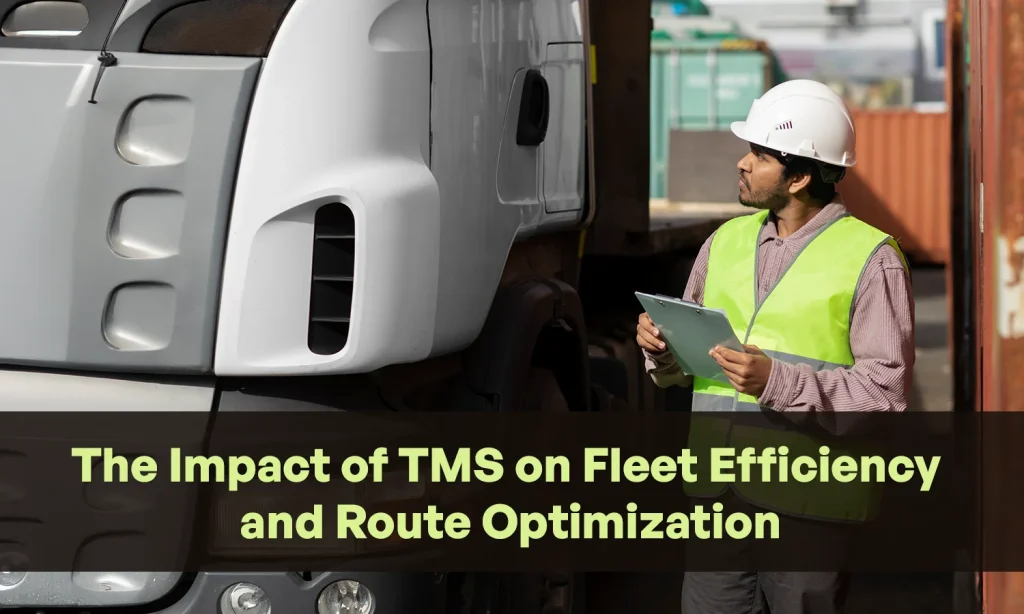
The Impact of TMS goes beyond simple logistics; it reshapes how a business grows. By embracing route optimization software and AI-driven insights, you can protect your margins and deliver a superior customer experience. The future of logistics is efficient, transparent, and predictive, and with Taabi AI delivering operational intelligence from real-time fleet data, that future is already within reach.