


Introduction
Understanding the History of Transportation Management
-
The 1980s-90s:
The introduction of barcodes and basic ERPs allowed for better record-keeping, but the data was still "static." You knew what happened yesterday, but you had no control over what was happening right now.
-
The Early 2000s:
The "GPS Revolution" brought basic location tracking. For the first time, managers could see a dot on a map, marking the birth of modern fleet optimization.
The Rise of Transportation Management Systems in Logistics
Modern Transportation management systems began to automate tedious tasks like generating shipping labels, matching loads to carriers, and calculating basic fuel spend. However, even these systems were often reactive. They told you there was a problem only after it occurred. The real shift happened when we integrated AI in logistics, turning the TMS from a digital filing cabinet into a predictive brain.
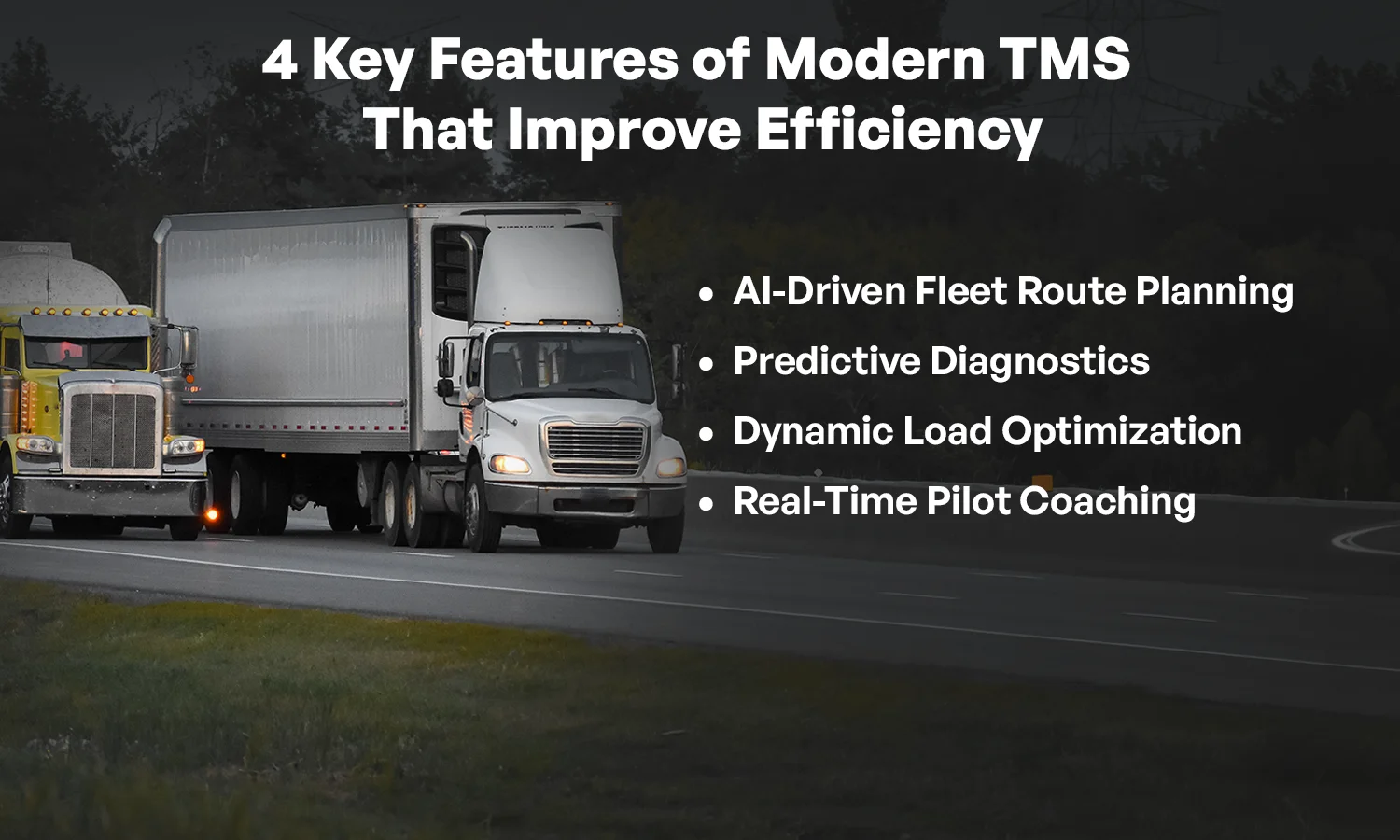
4 Key Features of Modern TMS That Improve Efficiency
-
Electronic Proof of Delivery (E-POD):
Digital proof of delivery replaces paperwork with instant confirmation. Drivers capture signatures, photos, and timestamps at the delivery point, and the information updates automatically in the TMS. This reduces disputes and accelerates billing cycles.
-
AI-Driven Fleet Route Planning:
Instead of static paths, the system uses AI in transportation and logistics to analyze traffic, weather, and road quality in real-time. This ensures the most fuel-efficient journey every single time.
-
Dynamic Load Optimization:
AI algorithms ensure that no truck leaves with space, maximizing the revenue of every trip.
-
Automated Freight Procurement:
Modern TMS platforms automatically identify available carriers and match them with loads. This reduces manual negotiation and helps logistics teams secure capacity faster.
What the Future of Transportation Management Looks Like with Machine Intelligence
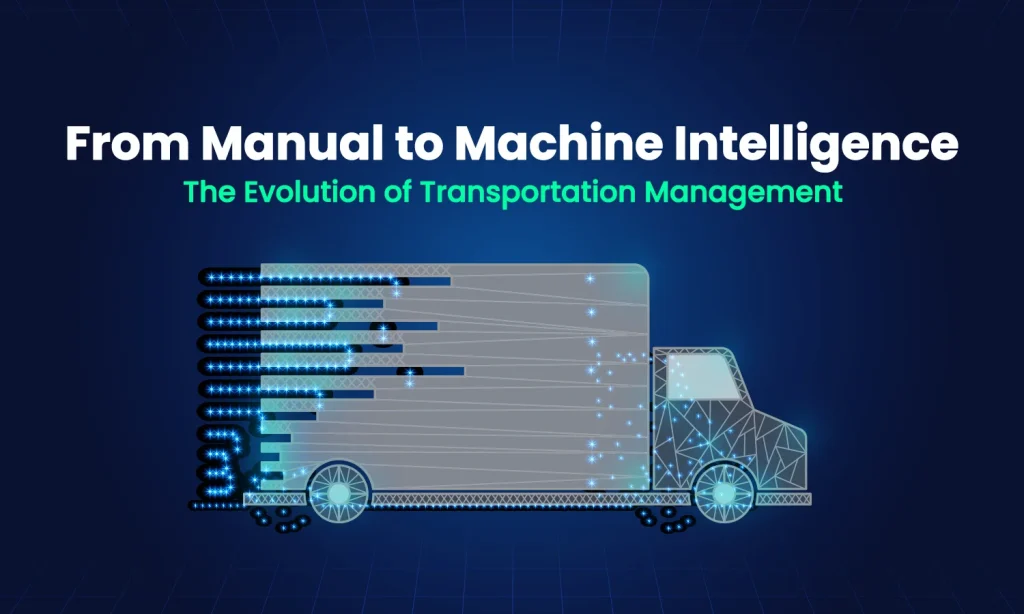
By 2026, we have entered the era of Machine Intelligence. The Evolution of Transportation Management is now moving toward self-correcting supply chains.
The future is “Agentic.” This means your TMS System won’t just alert you to a delay; it will automatically find a new route, alert the customer, and reschedule the warehouse loading dock without a human ever touching a keyboard. With ai in transportation and logistics, fleets begin to operate with operational intelligence, where vehicle data, routes, fuel patterns, and driver behaviour are continuously analysed to improve decisions across every trip.