


Introduction
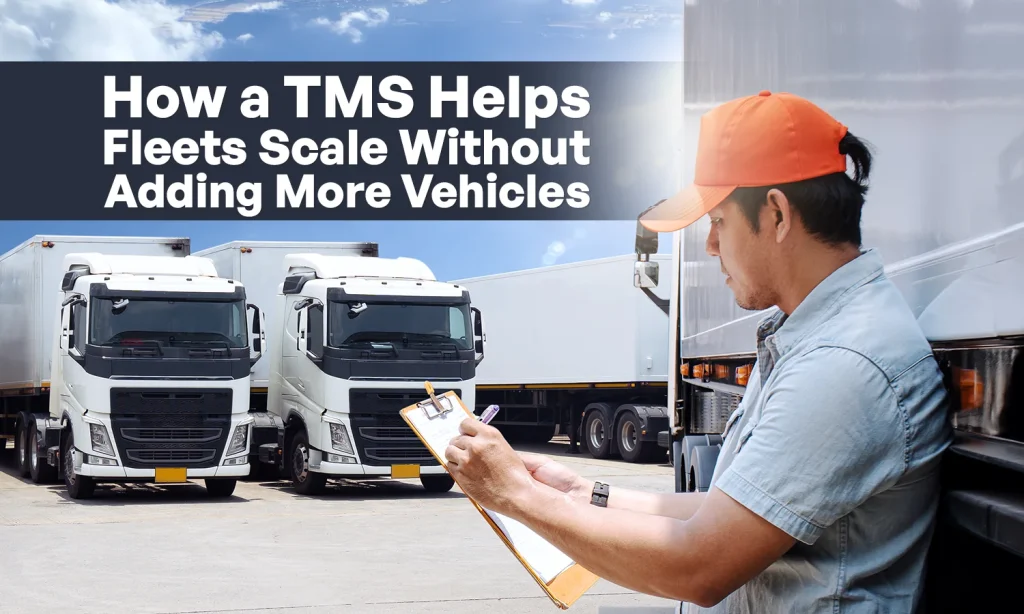
In 2026, the mark of a successful logistics company isn’t how many trucks it owns, but how efficiently it uses them. Scaling a business often feels like a race to buy more assets, but the real growth happens when you squeeze more value out of your existing fleet.
With TMS Software, you can move from “just managing” to “strategically scaling.” Here is how a transportation management system acts as a force multiplier for your business.
Why Is Scaling a Fleet So Challenging Without Adding More Vehicles?
-
Manual Planning:
Human dispatchers can only juggle so many routes before inefficiencies creep in.
-
Low Visibility:
You can’t optimize what you can’t see. If you don't know exactly when a truck will be empty, you can't book the next load.
-
Underutilized Capacity:
Many trucks run "half-full" or return empty (deadheading), which is essentially throwing away revenue.
Understanding the Role of a Transportation Management System in Fleet Operations
A transportation management system (TMS) is the brain of your logistics operation. It doesn’t just track location; it orchestrates the entire lifecycle of a shipment.
At Taabi AI, our transportation management solutions integrate real-time IoT data with AI-driven planning. The system tracks shipment status, route progress, and load allocation in real time, and the best available freight all at once. By automating the “busy work,” your team can focus on finding more business rather than just managing the current chaos.
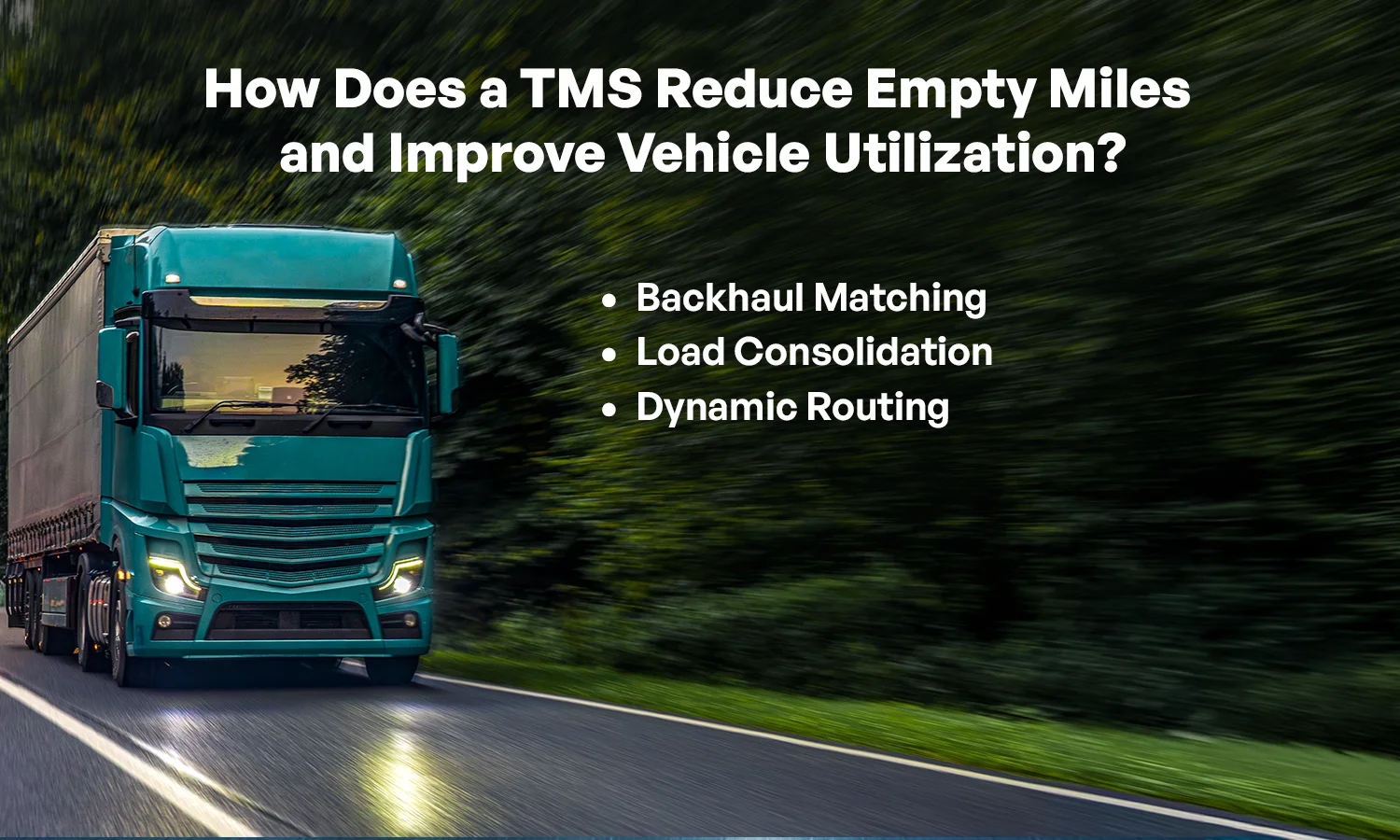
How Does a TMS Reduce Empty Miles and Improve Vehicle Utilization?
-
Backhaul Matching:
TMS in logistics automatically identifies return-trip opportunities. When a truck finishes a delivery, the system matches it with a nearby pickup, ensuring the vehicle is earning money 100% of the time.
-
Load Consolidation:
Instead of sending two half-empty trucks on similar routes, tms for trucking helps you combine shipments. This "load-pooling" increases your capacity instantly without adding a single bumper to your fleet.
-
Dynamic Routing:
By using AI to avoid traffic and poor roads, your vehicles finish trips faster. Shorter trip cycles mean one truck can do three deliveries in the time it used to take for two.
How Can a TMS Reduce Vehicle Downtime and Improve Turnaround Time?
-
Electronic Proof of Delivery (E-POD):
Digital delivery confirmation removes paperwork delays and disputes. Drivers capture signatures, photos, and timestamps at delivery points, and the data updates instantly inside the TMS. This improves billing accuracy and shortens payment cycles for logistics companies.
-
Faster Turnaround at Docks:
By sharing live ETAs with warehouses and customers, loading and unloading become synchronized. Less "wait time" at the gate means your trucks are back on the road faster.
-
Automated Freight Procurement:
Scalable Freight Management Systems allow you to bid on and secure new loads in seconds. This speed ensures your fleet is always booked, reducing the gap between jobs.
Conclusion
To lead in 2026, you must work smarter, not larger. TMS Helps Fleets Scale by turning hidden inefficiencies into available capacity. By reducing empty miles, preventing downtime, and automating your Freight Management System, you can handle more volume and higher profits with the fleet you already have. With Taabi AI, fleets gain operational intelligence by turning everyday transport data into decisions that support scaling without adding more vehicles.