


Key Takeaways
-
The TMS vs Fleet Management System choice depends on whether you focus on the cargo or the vehicle.
-
A fleet tracking system is essential for real-time safety and fuel security.
-
TMS Logistics helps optimize the cost of shipping and customer communication.
-
Combining both systems gives you a "God-eye view" of your entire operation.
Are You Tracking the Cargo or the Truck?
What Is a Transportation Management System (TMS), and How Does It Work?
A TMS system in trucking is essentially a digital architect for your freight. Its primary job is to move goods from point A to point B as cheaply and quickly as possible. It focuses on the “transaction” part of shipping.
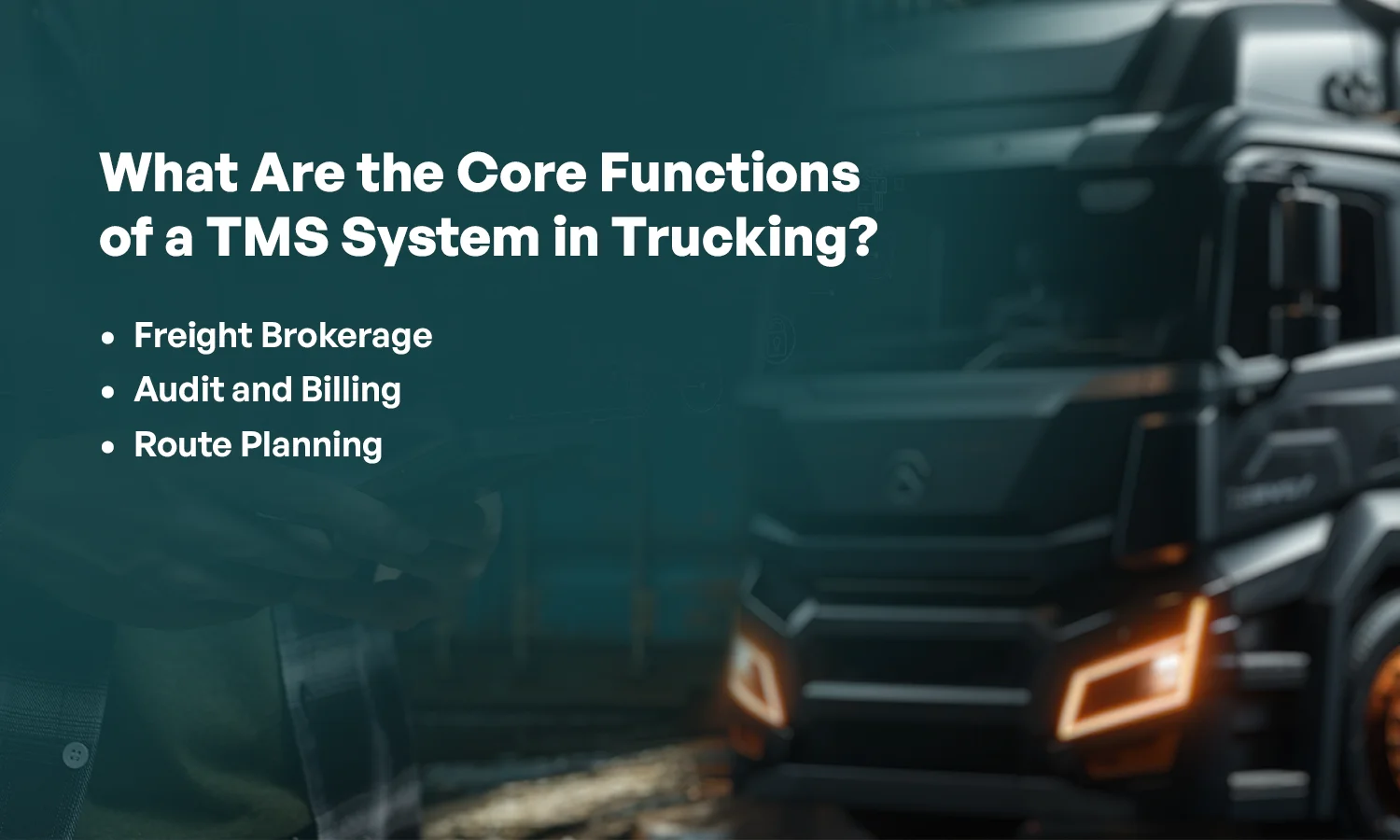
What Are the Core Functions of a TMS System in Trucking?
A TMS is designed to handle the outer shell of the logistics process. Its core jobs include:
-
Freight Brokerage:
Finding the right loads for the right price.
-
Audit and Billing:
Making sure invoices are accurate and payments are made on time.
-
Route Planning:
Deciding the best sequence of stops for a delivery run.
What Are the Key Differences Between TMS and FMS?
The easiest way to look at TMS vs Fleet Management System is to look at the focus.
| Feature | Transportation Management (TMS) | Fleet Management (FMS) |
|---|---|---|
|
Primary Focus |
The Cargo & The Customer
|
The Vehicle & The Driver
|
|
Key Metric |
Cost per Shipment
|
Cost per Kilometer
|
|
Daily Task |
Managing Invoices & Loads
|
Managing Fuel & Engine Health
|
An FMS is a specialized vehicle management system that looks inside the truck. For example, Taabi’s fuel management system for fleet operations provides 99% accuracy in fuel tracking, something a standard TMS cannot do. While a TMS tells you where the cargo is, an FMS tells you how the truck is breathing, how the driver is behaving, and if the fuel is being siphoned.
When both layers of information come together, logistics teams gain a broader operational view of their business. Shipment data from a TMS and vehicle data from a fleet management system can be analysed together to understand delays, fuel patterns, and asset utilisation across trips. Platforms like Taabi help bring these signals into one environment so transport teams can manage both cargo movement and vehicle performance with greater clarity.
How to Choose the Right System for your Business?
Most successful businesses in 2025 realize they don’t have to pick just one. They look for a solution where their TMS costs are balanced by the massive savings generated by an FMS. By using Taabi.ai, you get the technical power of a vehicle management system that can easily talk to your logistics software.
Conclusion
In the modern world of logistics, data is the new fuel. Whether you need a TMS system in trucking to manage your loads or an FMS to protect your engines, the goal is the same: maximum efficiency. Taabi.ai provides AI-powered vehicle insights that fill the gaps left by traditional logistics tools. When you understand your trucks and your cargo, your journey to the corner office becomes much smoother.