


Key Takeaways
-
Fuel and delays are the biggest cost drivers in Indian transport
-
AI-powered TMS connects vehicles, routes, drivers, and data
-
IoT-based fuel tracking reduces theft and wastage
-
AI routing adapts to traffic, tolls, and weather
-
Localised systems deliver faster ROI for Indian fleets
Introduction
AI-Powered TMS for Indian Road Transport is no longer a “nice to have” system. In 2026, it has become a basic survival tool. Indian road transport runs through congestion, toll delays, fuel theft, driver fatigue, and tight margins. Fuel alone takes up 30 to 40 percent of operating costs, while logistics costs still sit close to 13–14 percent of GDP.
Most fleets still use disconnected tools. GPS for tracking. Excel for billing. Phone calls for delays. This approach breaks down fast at scale. This is where an AI-Powered TMS for Indian Road Transport changes the game by connecting data, vehicles, drivers, and decisions into one system.
Why Indian Road Transport Needs an AI-Powered TMS
When these systems bring together vehicle location, fuel data, driver behaviour, and trip information in one place, transport companies gain a clearer operational view of their fleets. Managers can see how routes, delays, and vehicle performance affect daily operations and costs. Platforms like Taabi apply this approach to help transport teams monitor operations continuously and respond faster when conditions change on the road.
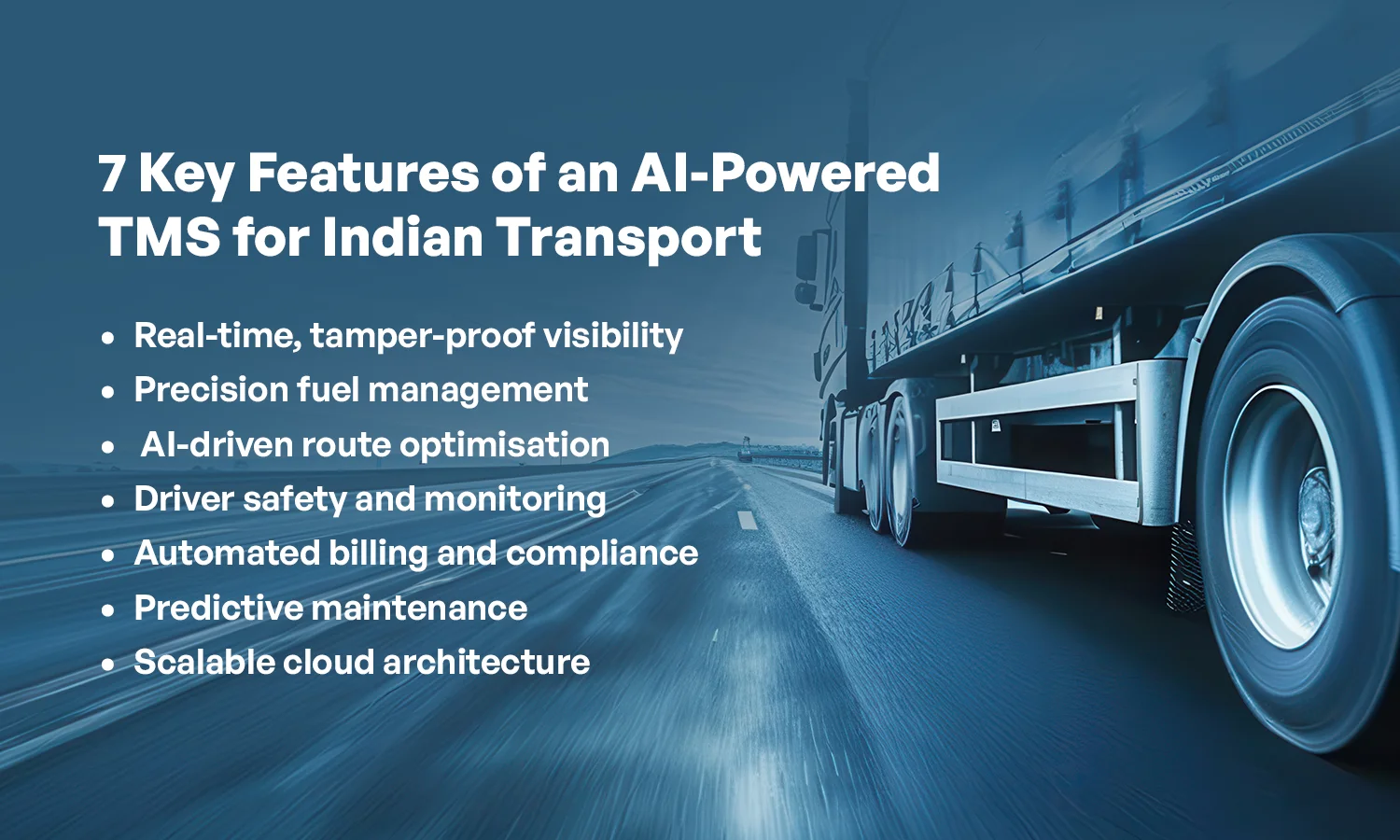
7 Key Features of an AI-Powered TMS for Indian Transport
-
1. Real-time, tamper-proof visibility
A strong TMS System combines GPS, FASTag toll data, and SIM signals. This removes blind spots caused by poor networks and stops fake trip records.
-
2. Precision fuel management
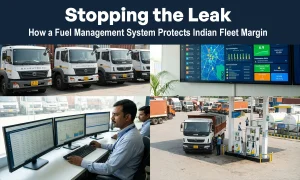
Fuel theft remains a major issue. A good TMS Software integrates IoT fuel probes instead of relying only on engine data. This enables 24/7 theft alerts, even when vehicles are parked.
-
3. AI-driven route optimisation
An advanced TMS Logistics platform adjusts routes based on traffic, accidents, and weather. This can cut fuel waste by 12–18 percent on long routes.
-
4. Driver safety and monitoring
AI dashcams track fatigue, phone usage, and unsafe driving. This is critical in India, where human error causes nearly 90 percent of road accidents.
-
5. Automated billing and compliance
Paperwork delays cash flow. A strong TMS system in trucking auto-generates E-way bills, GST invoices, and digital proof of delivery.
-
6. Predictive maintenance
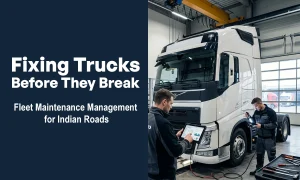
By analysing engine data, AI predicts part failures before breakdowns happen. This avoids costly roadside stoppages.
-
7. Scalable cloud architecture
The best tms for freight must scale from 10 vehicles to 10,000 without new hardware. Cloud-based systems allow this flexibility.
Choosing the Right AI-Powered TMS for Indian Road Transport: Why Taabi Stands Out
AI-Powered TMS for Indian Road Transport must be built for Indian realities, not imported assumptions. This is where Taabi stands out.