


Introduction
What Is Real-Time Vehicle GPS Tracking?
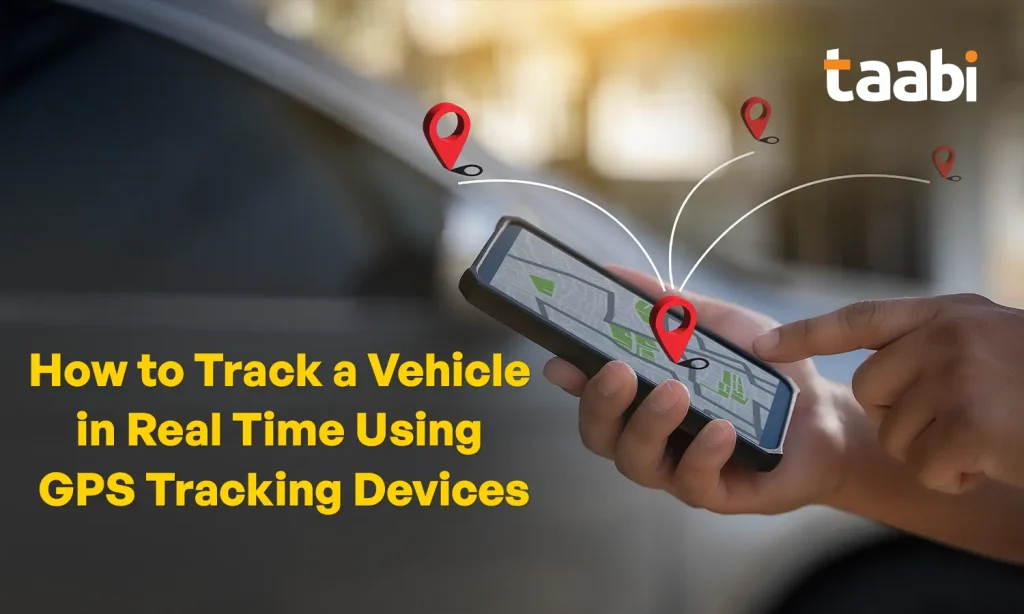
Real-time tracking is the continuous process of monitoring a vehicle’s location, speed, and direction using satellite technology. Unlike “passive” tracking (which stores data to be downloaded later), a commercial vehicle tracking system uses cellular or satellite networks to transmit data instantly.
How to Track a Vehicle in Real Time Using GPS Tracking Devices
-
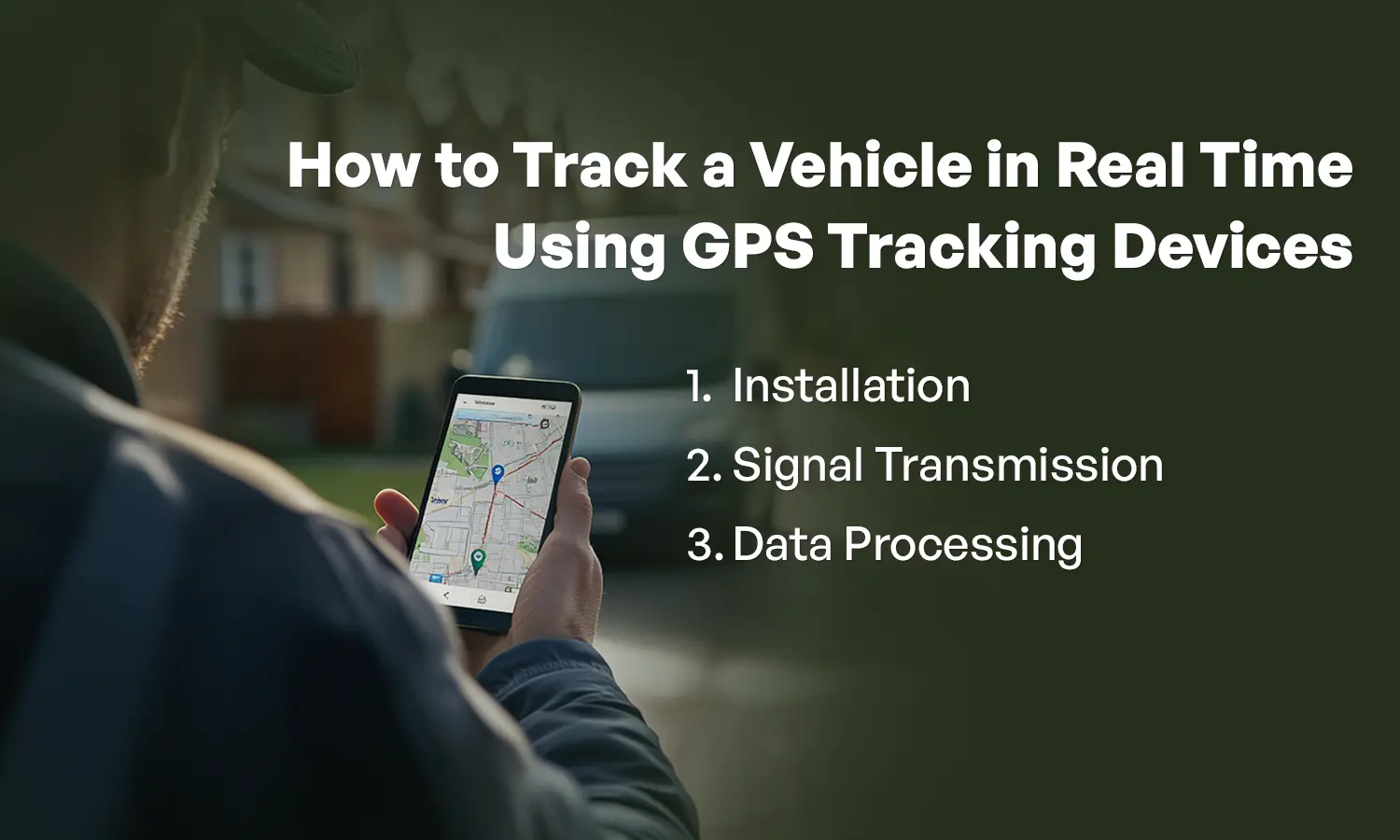
Installation:
A tracking device for vehicles is installed. This can be a "Plug-and-Play" device that goes into the OBD-II (On Board Diagnostics) port or a "Hardwired" device for a more permanent, tamper-proof setup.
-
Signal Transmission:
The device receives signals from GPS satellites to calculate its precise position (Latitude and Longitude).
-
Data Processing:
The device sends this location data via a SIM card to a cloud server. This is where Taabi’s algorithms clean the data, ensuring that the movement you see on your screen is 99% accurate and lag-free.
How to Track Vehicle Location on Mobile Apps and Web Platforms
Modern fleet GPS tracking is designed for people on the move. You can access your fleet’s “Control Tower” through two main channels:
-
Web Dashboards:
Best for office-based dispatchers. It provides a "bird's-eye view" of the entire fleet, allowing for complex route optimization and historical playback.
-
Mobile Apps:
Perfect for fleet owners who need to check in while away from the desk. Taabi’s mobile app sends push notifications for "critical events," such as fuel theft or geofence breaches, so you can act immediately from your phone.
How Does Real-Time Vehicle GPS Tracking Help With Fleet Management?
Tracking is the foundation of a profitable fleet. When you know how to track vehicle location with precision, you unlock:
-
99% Fuel Accuracy:
By combining GPS with fuel sensors, you can detect siphoning or theft of fuel the moment it happens.
-
Improved Driver Safety:
Monitor "harsh driving" events like sudden braking or speeding to coach your drivers toward better habits.
-
Reduced Idling:
Real-time alerts tell you when an engine is running without moving, helping you cut down on wasted fuel costs.
-
Predictive Maintenance:
The system tracks mileage and engine hours to alert you before a breakdown occurs, maximizing your fleet's uptime.
Beyond individual alerts and metrics, modern vehicle GPS tracking also contributes to operational intelligence. Instead of looking at vehicles one by one, fleet managers can understand how the entire operation is performing. By combining location data, fuel insights, driver behavior, and vehicle health into one view, businesses can identify patterns, improve planning, and make faster decisions. Platforms like Taabi bring these data points together so logistics teams can move from simple tracking to smarter fleet operations.
Conclusion
Knowing how to track a vehicle is the first step toward a more efficient, safer, and more profitable logistics business. By moving beyond simple GPS and embracing a commercial vehicle tracking system powered by AI, you turn your vehicles into smart assets that work for you.
FAQS
No, a number plate is for identification; live tracking requires a GPS device to transmit real-time location data.
Professional fleets use dedicated SaaS platforms like Taabi, while consumer apps require explicit location-sharing consent to function.
Google Maps helps find a parked fleet, but businesses need a professional tracking system for fuel, health, and route analytics.