Vehicle Tracking Device: How to Choose for Your Fleet
Introduction
Choosing a Vehicle Tracking Device seems easy until you install it across a full fleet. The wrong pick can mean weak GPS signals, gaps in data, and a vehicle tracking system your team cannot rely on. The right Vehicle Tracking Device gives accurate visibility, supports daily control, and makes fleet decisions faster. If you run business vehicle tracking at scale, choose a device based on fleet type, routes, and the outcomes you want, not just price.
What is a Vehicle Tracking Device and How Does It Work?
A Vehicle Tracking Device is hardware installed in a vehicle that collects location and trip data and sends it to a cloud platform, using GPS signals to give data and information.
In a typical vehicle tracking system, the device captures:
- ➤ Location, speed, route history, stoppage time
- ➤ Idling and trip behaviour signals (depending on device type)
- ➤ Optional inputs like ignition status, battery voltage, or sensor data
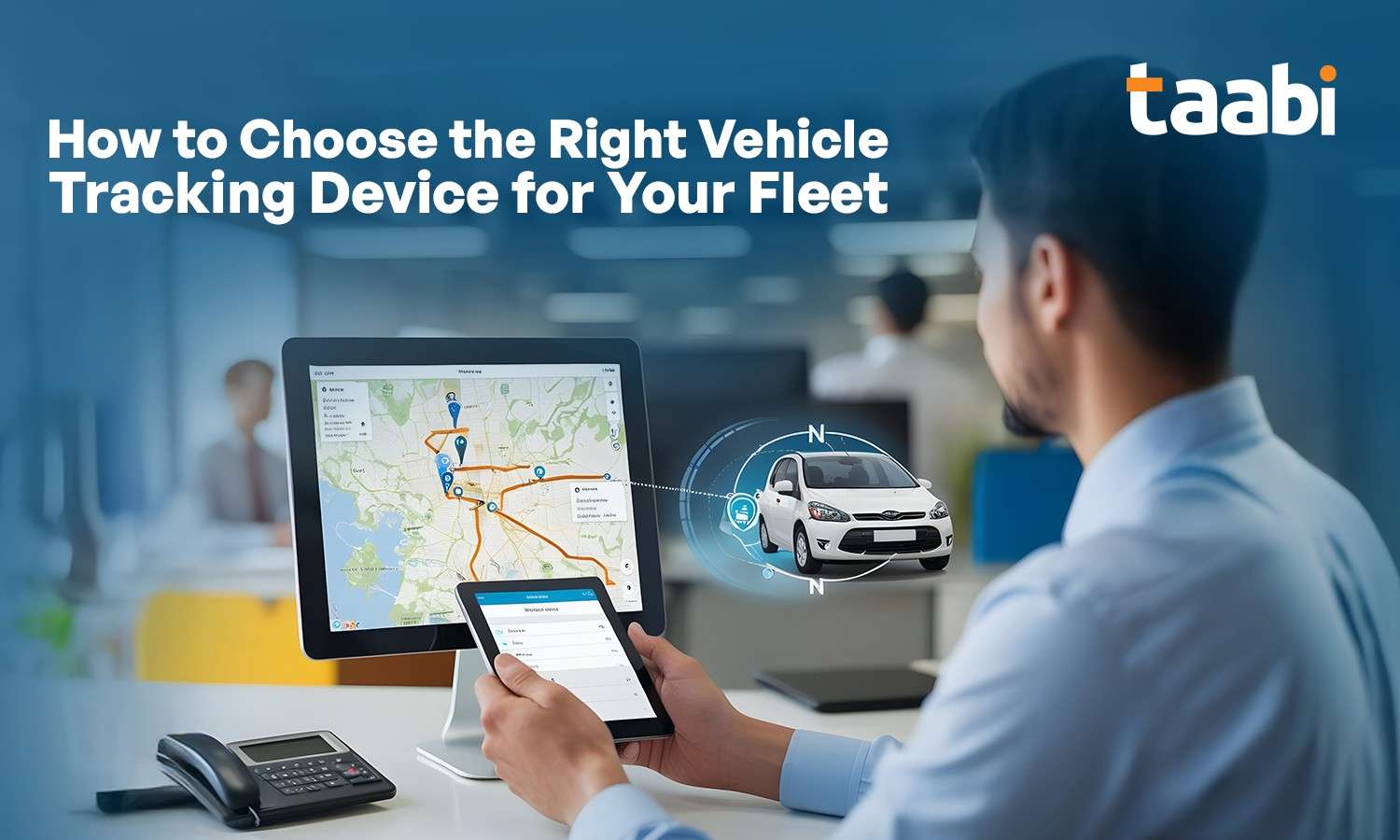
Fleet teams then use a dashboard to monitor movement, exceptions, and driver patterns. This is how to track a vehicle becomes a repeatable operational process, not a manual phone-call routine.
5 Main Types of Vehicle Tracking Devices Used by Fleets
When you shortlist a Vehicle Tracking Device, start by knowing which category fits your use case.
-
OBD Plug-in trackers
Easy installation. Common for small fleets and light vehicles. Limits depend on vehicle compatibility and required features.
-
Hardwired GPS trackers
Installed directly into the vehicle’s electrical system. More stable for commercial operations and harder to tamper with. This is the most common style for a serious fleet tracker rollout.
-
Battery-powered (portable) trackers
Useful for trailers, containers, and assets where wiring is not practical. Good for basic movement and theft-risk scenarios.
-
CAN/ECU integrated trackers
These connect deeper into vehicle data networks to support richer telematics signals. Often part of vehicle telematics devices deployments when fleets want more than just location.
-
Video + telematics devices
Combines tracking with camera-linked event evidence. Useful for safety-first fleets where claims, risky driving, and incident proof matter
How to Choose the Right Vehicle Tracking Device for Your Fleet
Here is a practical checklist for selecting the right Vehicle Tracking Device:
-
Define the job:
Do you need only location, or a full vehicle monitoring system with alerts, behaviour signals, and evidence?
-
Check network reliability:
Your routes decide your uptime. Poor connectivity creates data gaps and weak decision-making.
-
Prioritise anti-tamper design:
If your vehicles run high-risk routes, pick devices with stronger installation security.
-
Choose dashboard usability:
Even the best vehicle tracking devices fail if the dashboard is confusing and managers stop checking it.
-
Plan for scale:
A device that works for 10 vehicles may not perform the same way for 500 across regions and route types.
-
Think integration:
If your goal includes fleet performance analytics, maintenance planning, or safety workflows, choose devices that feed those systems cleanly.
What are the Common Mistakes you should avoid When Choosing a Tracking Device?
A Vehicle Tracking Device decision usually goes wrong for four reasons:
- ➤ Buying only on cost and ignoring support, warranty, and replacements
- ➤ Choosing the wrong device type for the fleet (portable tracker for a high-usage truck fleet, for example)
- ➤ Ignoring operational use, devices are installed, but no one reviews alerts or exceptions
- ➤ Not setting success metrics like reduced idle time, better route compliance, improved response time, or better proof during disputes
Also watch for “feature overload.” Many gps trackers for vehicles look impressive on paper, but fleets need reliable basics first: accuracy, uptime, and actionable alerts.
How Can You Match the Right Tracking Device to Your Specific Fleet Type?
Use your fleet profile to choose the right Vehicle Tracking Device:
-
LCV and city delivery fleets:
Focus on rapid installation, accurate stops, and route discipline. A clean vehicle gps tracker setup is often enough if your risks are low.
-
Long-haul trucks:
Choose hardwired devices with consistent data transmission and stronger anti-tamper setups.
-
Mixed fleets:
Standardise a core device type, then add specialised devices for high-risk vehicles.
-
High-claim or safety-sensitive fleets:
Consider devices that support richer telematics signals and event proof. Taabi’s broader fleet visibility approach fits well when you want tracking plus operational analytics and safety-led decisioning.
For business vehicle tracking, the best match is the one that supports daily decisions, not just monthly reporting.
FAQS
What Are Good GPS Trackers For Vehicle Movement Notification?+−
Choose trackers with movement, ignition, and geo-fence alerts, plus reliable network uptime.
Do Trackers Drain Your Battery?+−
Usually no, unless installation is poor or the vehicle sits unused for long periods.
Can A Tracking Device Work For All Types Of Vehicles?+−
Some can, but fleets often need different device types for trucks, LCVs, and trailers.